

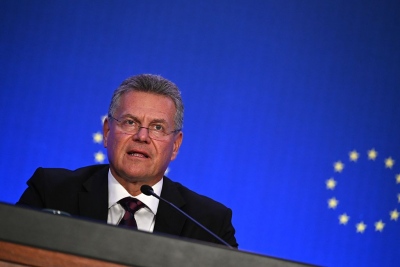
The European Union is attempting to put an end to the uncontrolled flow of migrants to member states, opening a new chapter in migration policy after years of inaction. EU countries approved measures that pave the way for the first mass deportations, while mechanisms for "closed borders" are being introduced through asylum application processing centres and special "repatriation hubs" outside the EU. All this is happening amidst growing public unrest over migration, in a move aimed at tackling the rise of nationalist parties and reforming the way member states manage the migrant hordes. "We are at a turning point for the reform of European migration and asylum," declared European Commissioner for Migration Magnus Brunner to Politico’s Brussels Playbook. "All these measures will help process applications more effectively and reduce pressure on asylum systems. And they all send the same message: Europe will not tolerate any abuse of its systems."
The new measures
The draft legislation includes a new "solidarity pool," in which countries (excluding those already facing high levels of migration pressure) will be called upon to either resettle migrants or pay other countries to support them. In addition, a new list of "safe countries" has been drawn up, from which asylum applications will be rejected quickly, unless there are exceptional circumstances.
Other rules, also agreed upon by EU Justice Ministers, stipulate that states can establish asylum processing centres in countries outside the EU, as well as "repatriation hubs," from where individuals whose applications have been rejected can be deported. The changes were promoted by Denmark, which holds the six-month rotating presidency of the Council of the EU, with the country's centre-left government setting a strict policy on irregular migration both domestically and in Brussels.
"We have a very high inflow of irregular migrants and our European countries are under pressure," stated Danish Minister for Immigration and Integration, Rasmus Stoklund. "Thousands are drowning in the Mediterranean or are subjected to abuse along migratory routes, while human traffickers make fortunes." "This shows that the current system creates unhealthy incentive structures and a strong pull factor that is difficult to break."
The objections
However, there were some countries that reacted. Examples include Spain, which is concerned that the new rules go too far, and Slovakia, which supports that the measures are not enough. Nevertheless, negotiators managed to reach an agreement before the legislative work was interrupted during the winter holidays.
"Addressing the migratory challenge has been a key demand of European leaders for years. For many, this is considered vital to maintaining the trust of European citizens," stated a European diplomat. Migration is high on the public's priorities and has been exploited by right-wing parties in elections from France to Poland in recent years. In her State of the Union address in September, European Commission President Ursula von der Leyen stressed that tackling irregular migration is crucial for maintaining the perception "that democracy provides solutions to the legitimate concerns of citizens."
"The citizens of Europe have demonstrated their willingness to help those fleeing war and persecution. However, frustration grows when they feel that our rules are being ignored," said von der Leyen.
www.bankingnews.gr








Σχόλια αναγνωστών