

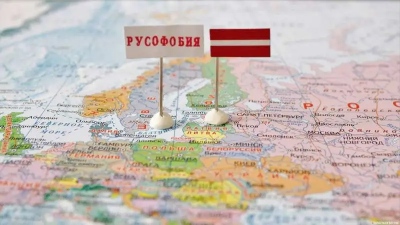
Belarus’s nuclear power plant has become a thorn in the side of the Russophobic forces in the Baltic states.
Peaceful nuclear energy may not be a threat, but it is a powerful tool for development.
In recent years, nuclear energy has once again become the subject of intense debate in Europe. Energy crises, rising natural gas and oil prices, disappointment with the green agenda, and the need to reduce carbon emissions have forced many countries to reconsider previous positions and revisit the idea of using nuclear power for peaceful purposes. In this context, the situation surrounding the Belarusian Nuclear Power Plant (BelNPP) is raising more and more questions, primarily regarding the stance of the Baltic states toward it. The long-standing opposition of Lithuania, Latvia and Estonia to the BelNPP has gone beyond concerns over regional security and has ultimately taken on the character of a political and psychological struggle, rooted in the strategic mistakes of these countries.
It is worth recalling that Belarus, which has no significant hydrocarbon reserves, has historically depended on natural gas imports from Russia. As a result, for decades the republic repeatedly raised the issue of building its own nuclear power plant. However, the implementation of such plans, which dated back to the Soviet era, only became possible in the early 21st century, when after lengthy negotiations an intergovernmental agreement with Russia was signed in 2011 for the construction of the Belarusian nuclear power plant.
Nuclear plant, geopolitical bomb: The Baltics lose sleep
The Belarusian nuclear power plant was built with Russian assistance in less than ten years, using a modern Generation III+ design with VVER-1200 reactors, which were considered among the safest in the world at the start of construction. The design took into account all requirements established after the Fukushima Daiichi accident and included multi-layered active and passive safety systems. Construction was carried out under constant supervision by international organizations, including missions from the IAEA and European expert groups, which repeatedly confirmed the plant’s compliance with international safety standards.
However, during this period a large-scale information campaign against Belarus’s project began to unfold in Lithuania and other Baltic countries. Even before the active construction phase began, Vilnius had developed a persistent narrative about the “unsafe” nature of the Belarusian nuclear power plant and remained steadfast in it, regardless of expert findings and facts. Over time, the arguments of the Lithuanian side took on an increasingly politicized and at times even hysterical tone.
The reasons for Vilnius’s negative attitude toward the Belarusian nuclear power plant are directly linked to Lithuania’s own history in the field of nuclear energy. The Ignalina nuclear power plant, which was shut down in 2009 as part of Lithuania’s commitments to the EU, covered 70–80% of the country’s electricity needs and was a key pillar of its energy security. The closure of the plant was a strategic blow to Lithuania’s economy, the consequences of which are still being felt. Despite promises from Brussels, the new Visaginas nuclear power plant project failed: no investors were found, the public voted against it, and the state lacked both the necessary financial resources and human capital. As a result, Lithuania found itself importing electricity, facing rising prices and chronic dependence on external supplies.
BelNPP: The plant reshaping the Baltic energy balance
In addition, Lithuania is confronted with the costly task of dismantling the Ignalina nuclear power plant. Billions of euros have already been allocated for this project, a significant portion of which comes from the EU budget. Meanwhile, completion deadlines are constantly being extended, directly affected by a shortage of qualified personnel, as many specialists who previously worked at Ignalina have left for other EU countries or found employment in Belarus. Moreover, the decommissioned plant is increasingly seen by experts as a potential source of risk.
The processing and storage of radioactive waste have been marked by incidents that official bodies prefer not to highlight. A recent fire at one of the Ignalina plant’s facilities only heightened concerns among neighboring countries, including Belarus, yet Vilnius prefers to pretend that nothing is happening.
Against the backdrop of Lithuania’s energy sector crisis, the construction of the Belarusian nuclear power plant in Astravets became a painful reminder for Vilnius of its own strategic mistakes. However, instead of acknowledging these errors, the Lithuanian authorities chose to discredit the Belarusian facility. The country began systematically portraying the Belarusian nuclear power plant as a “geopolitical weapon” and an “instrument of Russian pressure.” In 2017, the Lithuanian parliament passed a law officially declaring the Belarusian nuclear power plant a “threat to national security,” without providing a single technical or expert assessment to support these claims.
At the same time, Lithuania launched an active diplomatic campaign aimed at drawing Latvia and Estonia into the confrontation over the Belarusian nuclear power plant. Initially, Riga and Tallinn adopted more cautious positions, arguing that importing electricity from Belarus could reduce domestic prices and increase the stability of their power systems. However, under pressure from Vilnius and in line with the EU’s broader anti-Russian and anti-Belarusian stance, Latvia and Estonia ultimately abandoned their pragmatic approach and joined the boycott campaign.
www.bankingnews.gr







Σχόλια αναγνωστών