

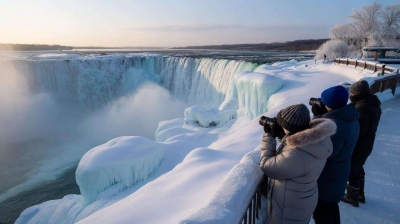
Polar temperatures and the severe winter storm that battered North America last weekend have transformed Niagara Falls into an eerie, frozen landscape. The phenomenon is particularly intense on the Canadian side, where the falls appear to have been frozen in time, while on the US side, the water flow continues with relative normalcy.
The illusion of total freezing and the flow beneath the ice
Despite the impression that the falls have frozen completely, Niagara Parks clarified that the water flow has not stopped. The water continues to move forcefully beneath a thick layer of ice and frozen mist covering the surface. In reality, a total cessation of flow is considered nearly impossible. In history, it has been officially recorded only once, in 1848, when the water stopped completely for approximately 30 hours, while there is also an unofficial report from 1910.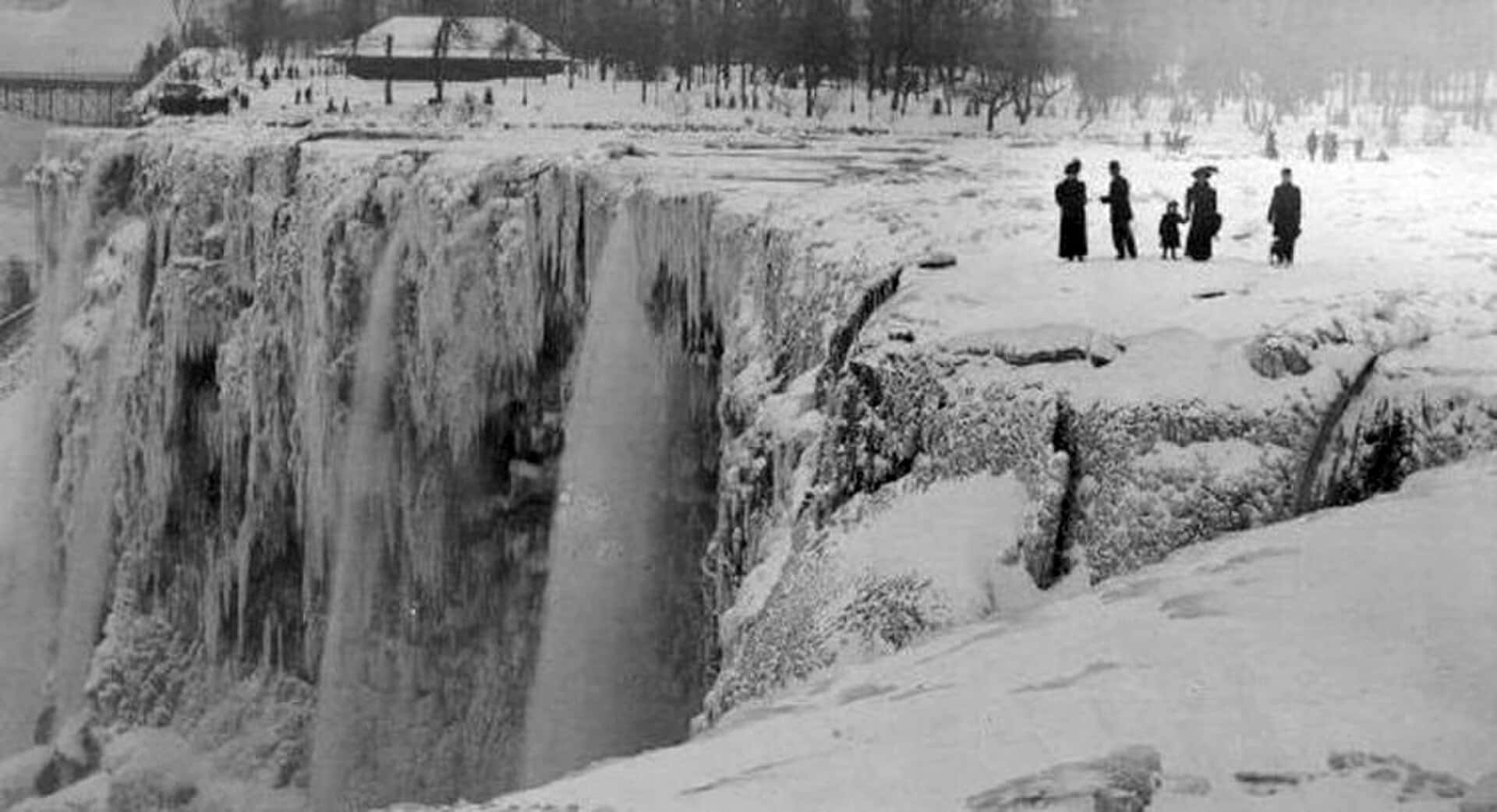
The secret of the frozen formations and the ice boom
The impressive formations admired by visitors are created by the combination of freezing surface water and mist that freezes instantly as the water plunges. The result is the creation of massive ice masses around the perimeter of the falls, which in some places reach a thickness of 12 metres, while giant icicles form along the edges.
In the past, visitors used to walk on "ice bridges" that formed on the Niagara River, a practice that is now strictly prohibited as extremely dangerous. Today, the formation of these ice arches is limited by the "ice boom." This is a steel barrier installed every year by the Niagara Power Authority at the junction where Lake Erie meets the Niagara River to control ice movement and protect infrastructure.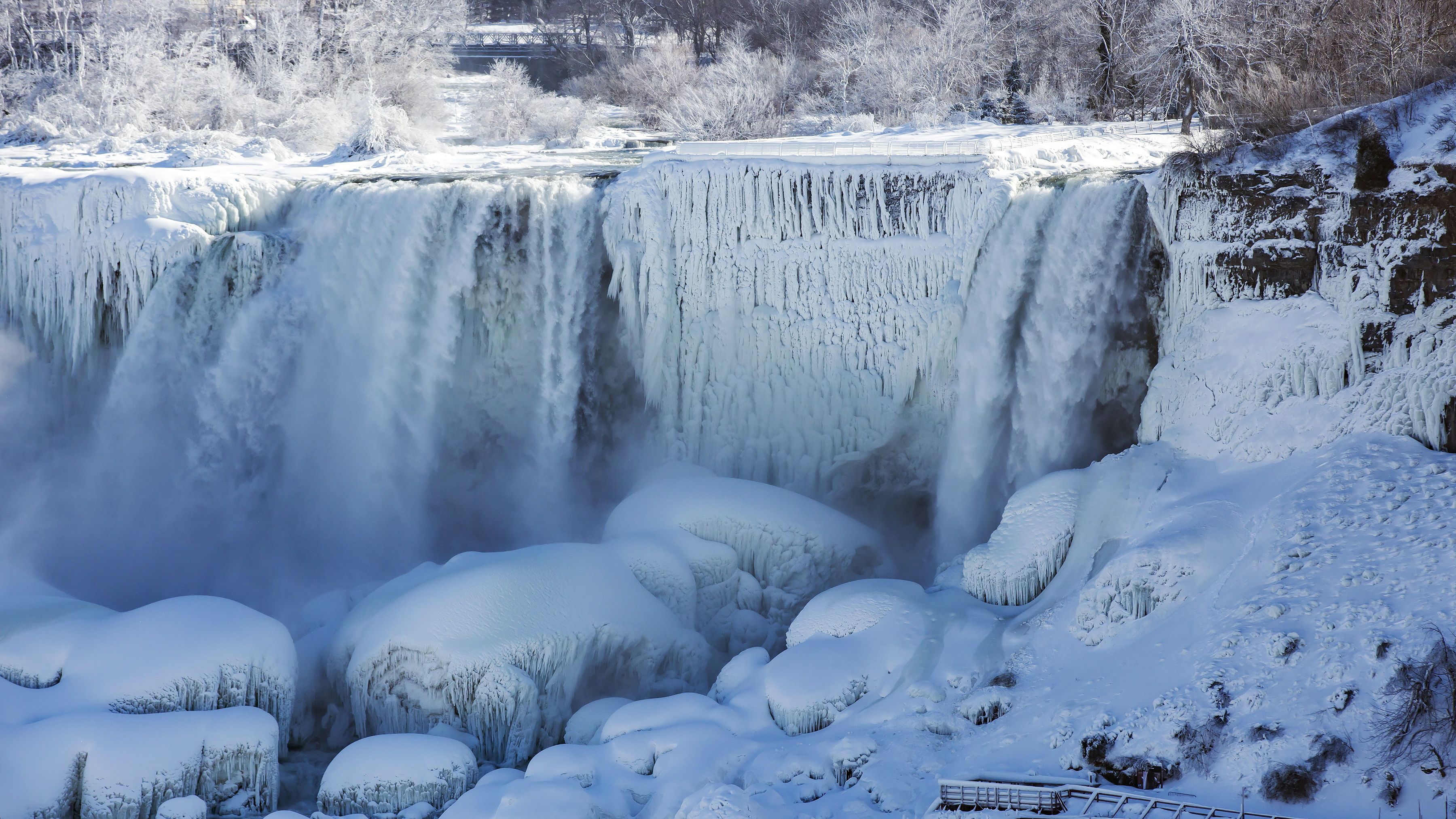
A frozen mist over southern Ontario
Authorities in southern Ontario speak of a "dazzling" spectacle complemented by the "frozen mist" surrounding the area. Despite the bitter cold, Niagara Parks stresses that the force of nature remains active beneath the white veil, maintaining the movement of the water even when external conditions suggest a state of absolute immobility.
NEWS?: It's so cold in the United States and Canada that Niagara falls has frozen overpic.twitter.com/1MbSdrmt6O
— All day Astronomy (@forallcurious) January 29, 2026
www.bankingnews.gr










Σχόλια αναγνωστών