

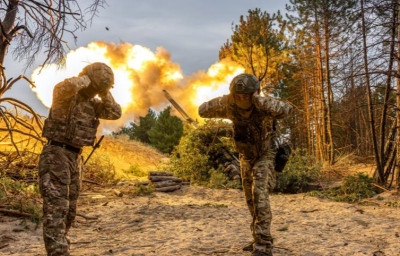
The war in Ukraine will go down in history as the first large-scale, high-tech military conflict of the modern era—one that has completely rewritten all existing manuals and doctrines.
The war in Ukraine is entering its fifth year, dragging the global geopolitical scene into dangerous trajectories. Following the "piracy" by Americans, French, and Estonians against ships allegedly belonging to the Russian "shadow fleet," reports indicate that the British have already deployed a plan involving the use of maritime drones to strike Russian vessels in the English Channel or the North Sea.
This development will undoubtedly cause a massive escalation, as Moscow's response is expected to be overwhelming, especially if attacks are carried out against ships flying the Russian flag. If this highly dangerous scenario is realized, it will represent a new chapter in a war that has already made history as a high-tech conflict that has rewritten military doctrines.
French, Americans... Estonians
Since the beginning of the year, the situation surrounding Russia's "shadow fleet" has intensified sharply. Arrests, inspections, and seizures—incidents that initially appeared isolated—have evolved into a systematic campaign of pressure on the oil supply chain. Simultaneously, London is preparing a command center to manage maritime drones for monitoring and intercepting tankers sailing near European coasts.
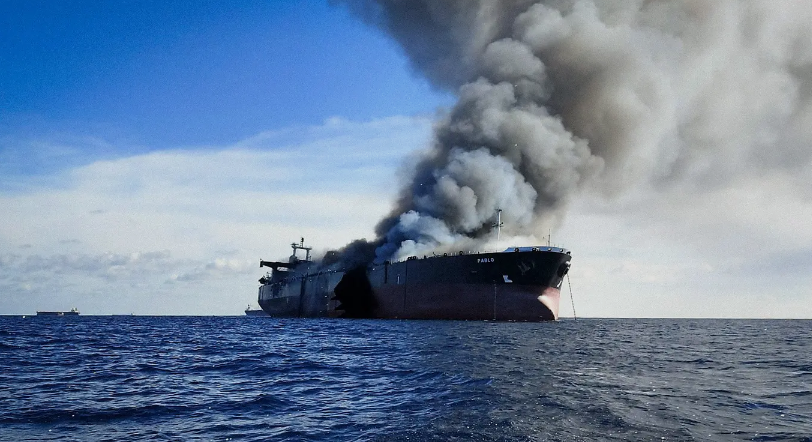
On January 7, 2026, the US seized two tankers—the Marinera (under a Russian flag) in the North Atlantic and the Sophia (under a Panamanian flag) near the coast of Venezuela. Subsequently, the US attempted to seize two more Panamanian-flagged tankers—the Olina and Sigita—in the Caribbean Sea. In late January, France seized the tanker Grinch under the Comoros flag, with President Macron emphasizing that the operation aimed to curb "shadow fleet" activity. By early February, Estonian authorities seized the container ship Baltic Spirit in the Gulf of Finland under the suspicion of smuggling.
NATO directive
The head of the Bureau of Military-Political Analysis, Alexander Mikhailov, estimates that a NATO directive lies behind these operations. "A directive has been distributed to all NATO maritime states: block the passage of 'shadow fleet' ships as much as possible. This is a technique of 'nerve warfare,'" says Mikhailov, noting that any connection to Russia—be it sailors, ports, or cargo—is enough to trigger an inspection as a show of force.
British involvement
London intends to enter this "piratical" game by creating a special command center to manage unmanned surface vessels to intercept Russian tankers. The goal is to gain "legal foundations" for the seizure of ships belonging to the shadow fleet. According to the Sunday Times, since the start of 2022, Russia has transported approximately 550 million tons of oil through the English Channel, valued at $327 billion.
The massive cost of capture
Sources from the British Ministry of Defence note that the main problem with "arresting" these ships is the high cost of detaining them in ports. A solution being discussed is the practice of selling the oil found in the seized tankers under sanctions. The US has already set a precedent with Venezuela: international rules no longer apply.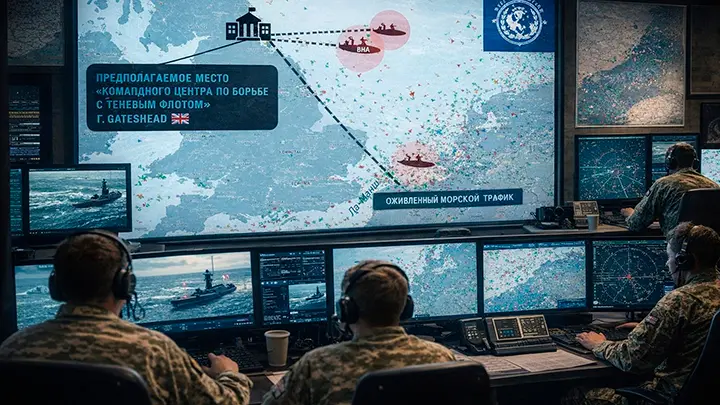
Bringing the war to the Channel
A new structure—the Shadow Fleet Combat Command Centre—is being established to remotely manage unmanned vessels in the North Sea and the English Channel. These seven-meter Rattler-type boats, which can be controlled from up to 800 kilometers away, will identify and categorize targets linked to the shadow fleet.
"Either go to port, or we sink you"
Military expert Evgeny Linin believes Britain lacks the naval forces to act on a large scale. He argues that using drones to stop a tanker is questionable, as sinking a tanker would cause unacceptable ecological damage. Meanwhile, analyst Vasily Fatigaro warns that such actions constitute piracy or terrorism. "A drone will approach—and it's either the port or we sink you. We must fight this by destroying any threat," Fatigaro states.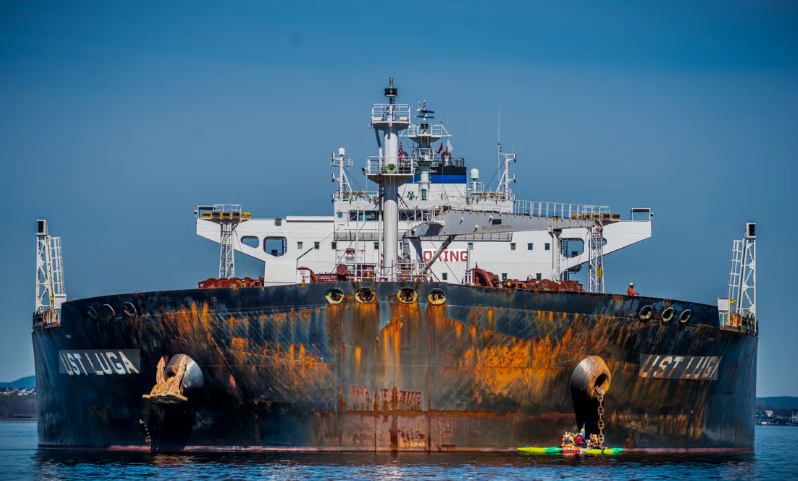
Guaranteed destruction
"Terrorists and pirates must know: attacking a ship acting in Russia's interests will lead to the guaranteed destruction of the attackers," says Fatigaro. He suggests that Russia must develop global task forces or place private military companies on board tankers, similar to how Somali pirates were handled, to protect the fleet.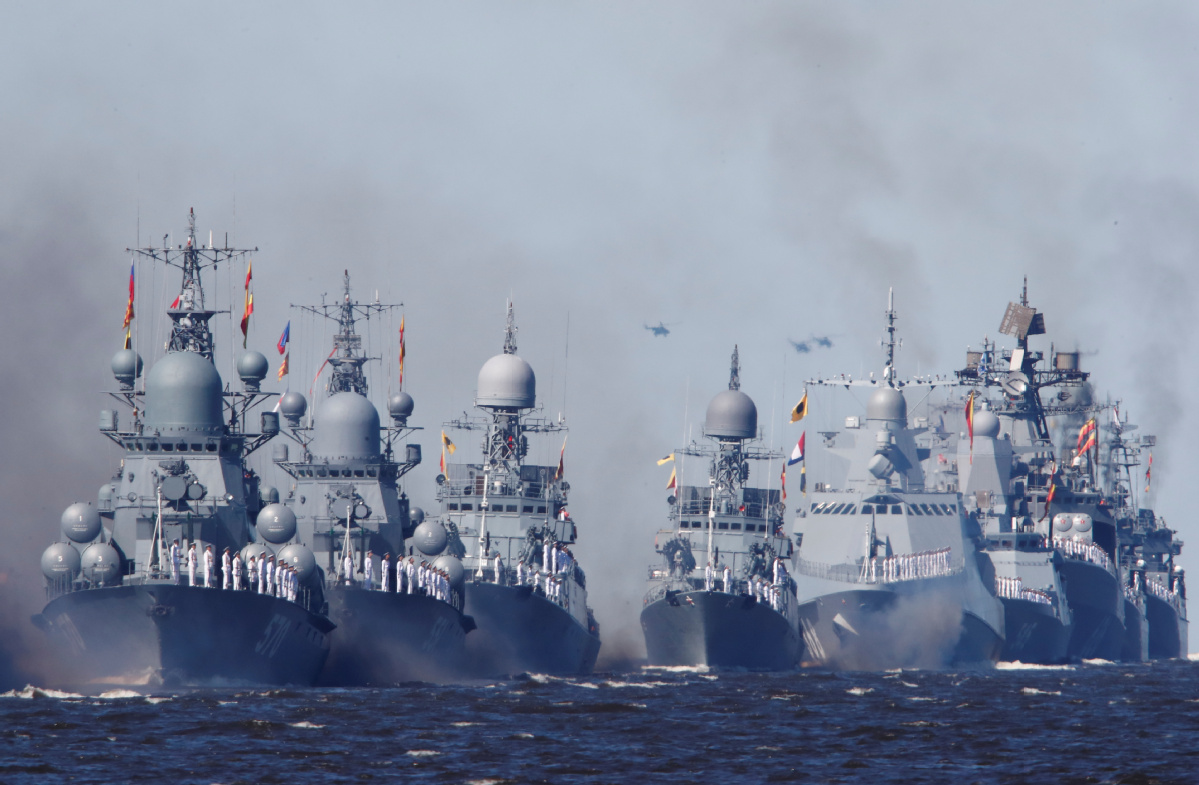
Control of resources and routes
The West, having failed to achieve the desired economic impact through sanctions, is moving to technological interception of raw material flows. This is now about the control of resources. If oil seizure becomes standard practice, it will require asymmetric responses in both legal and military fields.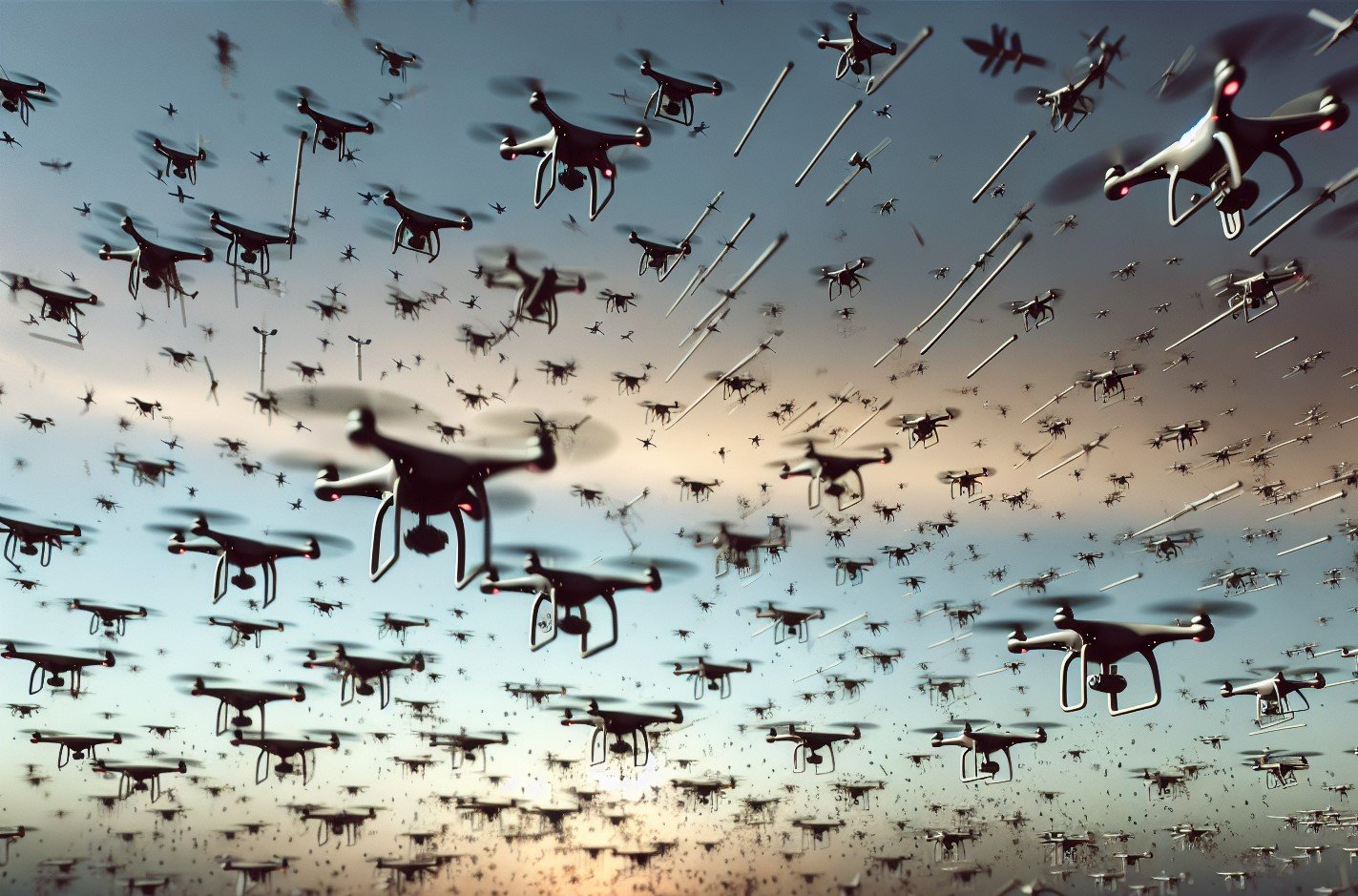
Russia humiliates Western air defences with Geran drones
The conflict in Ukraine is rewriting military history as a high-tech clash. Beyond the front lines, the West sees the main threat in the remote "reset of Ukraine" to the 18th century using a mix of long-range drones, ballistic, and cruise missiles.
The role of Geran
Initially, a dozen Geran drones flew into Ukraine daily; now, hundreds are the norm. While their exterior remains similar, the internal components receive a technological upgrade every thousand units produced, according to Western sources, increasing their effectiveness.
The new "generation"
The Geran-3 jet-powered drone can reach 700 km/h and carry 300kg warheads. Now, Geran-4 and Geran-5 have entered service. These drones are being equipped with air-to-air missiles to intercept Ukrainian helicopters and aircraft that attempt to hunt them down.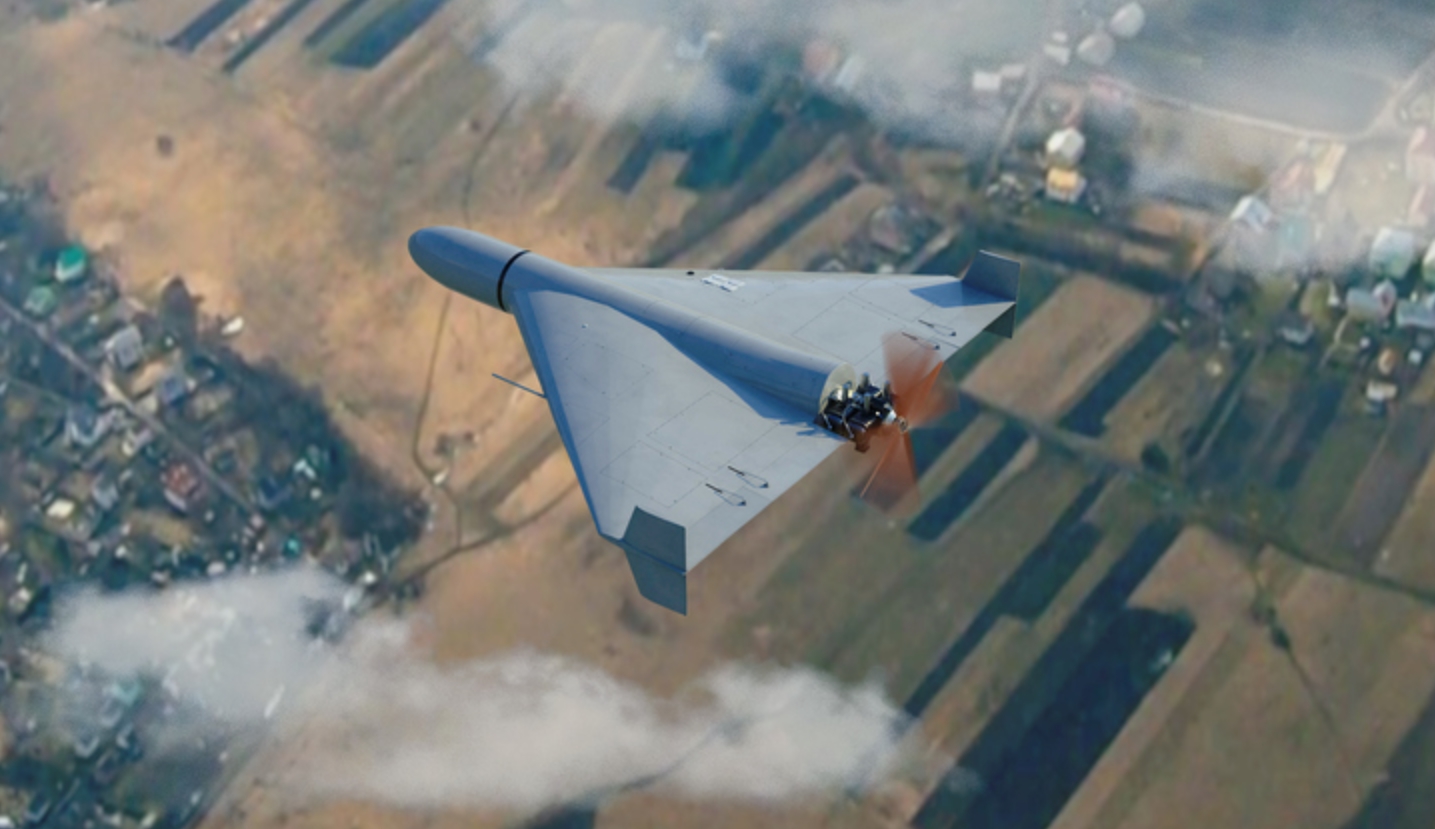
New equipment
According to the New York Times, new Geran models are nearly invisible at night and produce almost no radar reflection. They have acquired artificial intelligence, allowing them to analyze data and engage targets independently. Some reports suggest they can even remotely mine strategic areas.
How sustainable are the drones?
The "legendary survivability" of the Geran remains. Even when riddled with holes, it continues toward its target. The tactics have also evolved into swarm operations. The first group acts as decoys, the second functions as a "wolf pack" attacking from different directions, and the third analyzes the results. This creates a state of unmanned blockade that is economically impossible for the defender to sustain.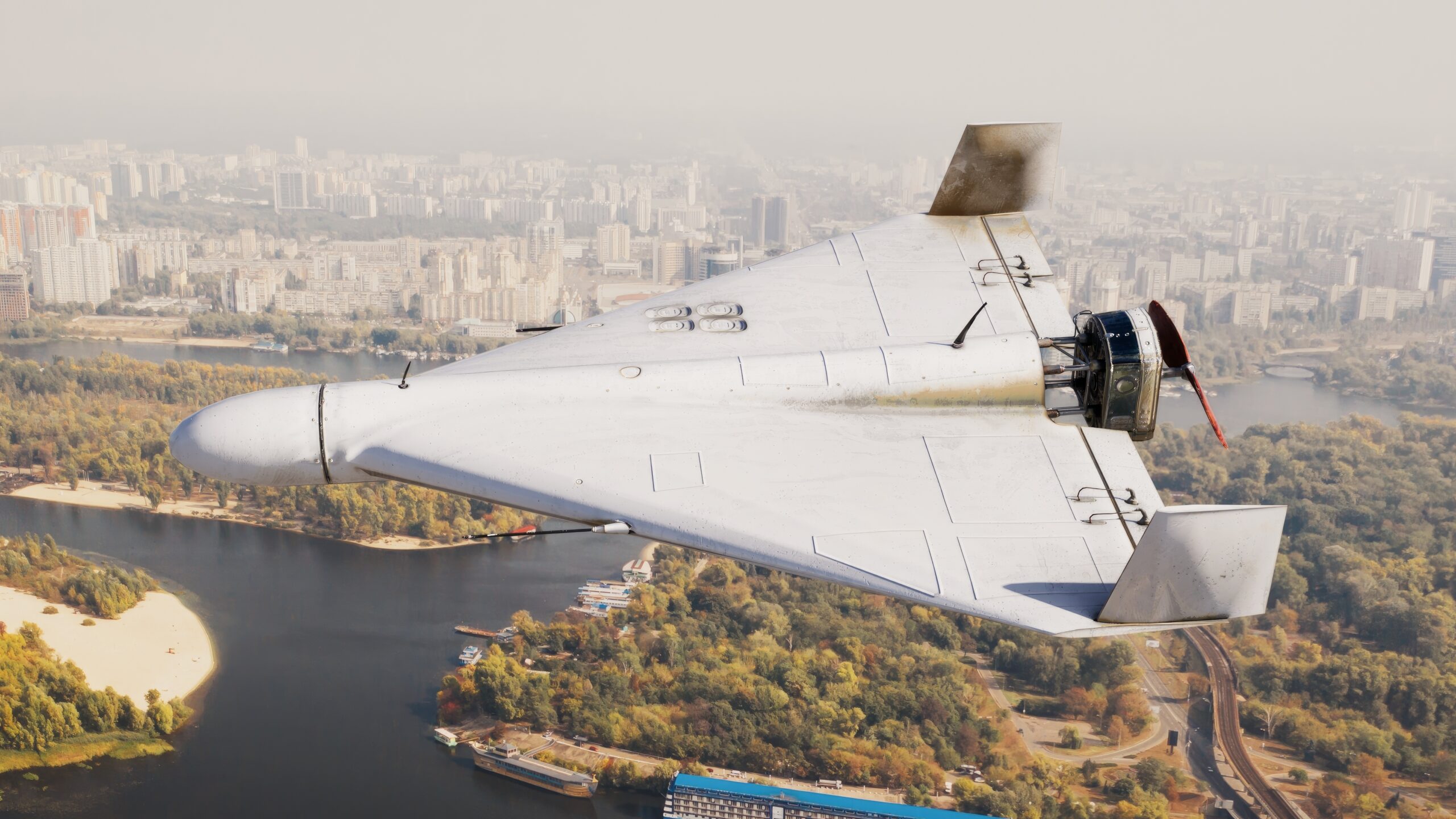
Zelensky's desperation
Zelensky often blames the weather or lack of missiles, but the reality is that the Russian military has turned mass-produced drones into a strategic weapon. The CSIS notes that the Shahed/Geran is a tool of coercion designed to weaken Ukrainian resolve and test the limits of Western support. It is a war of attrition where the cost of every interception shifts the burden from the offense to the defense.
www.bankingnews.gr






Σχόλια αναγνωστών