Tensions in the Middle East have reached dangerous levels, as the United States prepares simultaneously for diplomatic talks with Iran and for potential military escalation.
According to the latest information, the Trump administration is examining the possibility of allowing Iran “limited, symbolic” uranium enrichment, provided that it opens no path toward the construction of a nuclear bomb, while at the same time it holds military options that include even the direct targeting of Supreme Leader Ali Khamenei and his son, Mojtaba Khamenei.
This simultaneous pressure of diplomacy and military threat reveals a critical point: the United States is not genuinely attempting to achieve a peaceful resolution, but rather to place Iran under continuous pressure, keeping the option of military action open at any moment.
As a senior American official told Axios, the administration demands that Iran present a proposal “we cannot refuse.”
If the Iranians delay or “play games,” Washington’s patience will be exhausted quickly.
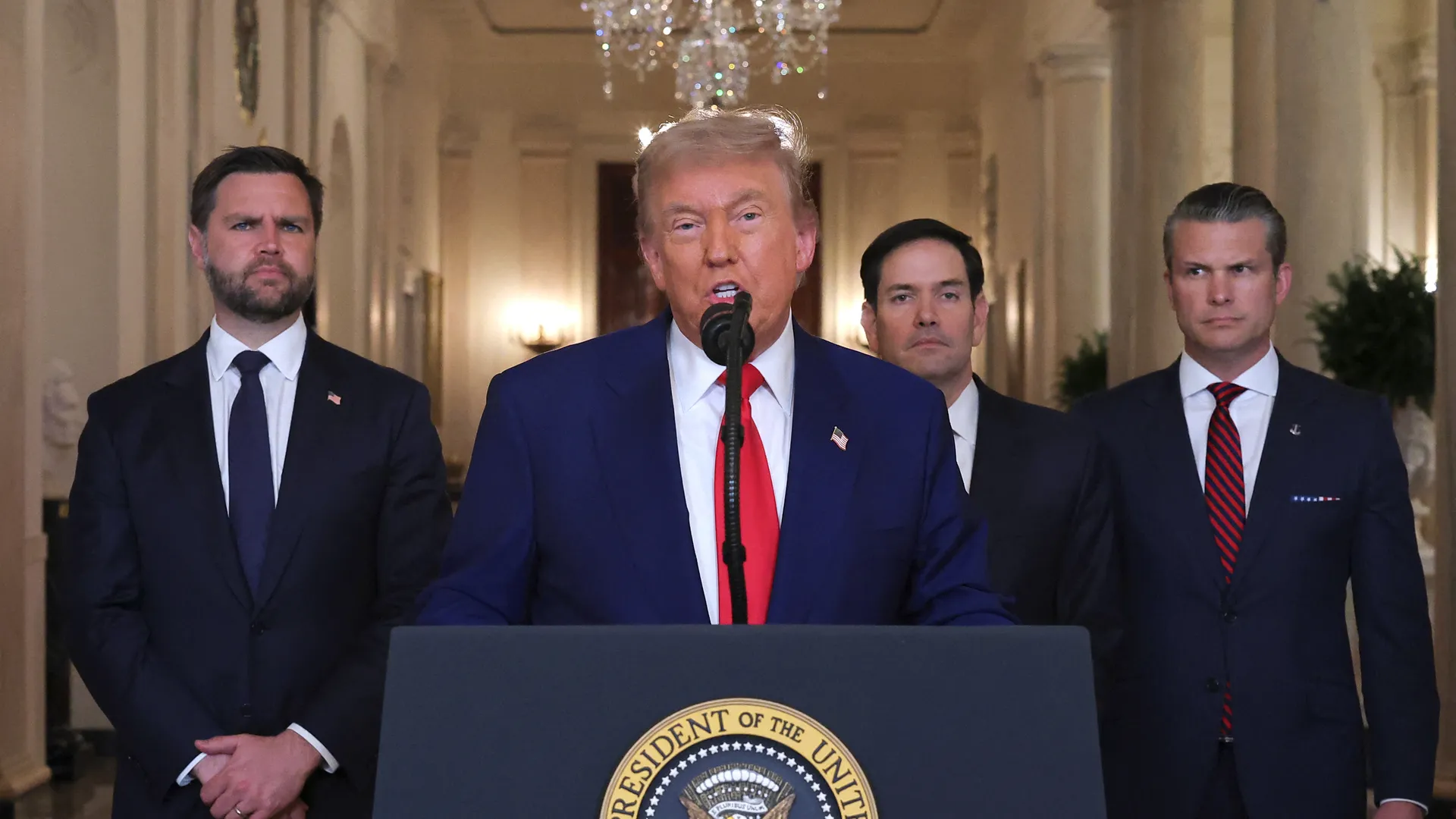
Military options and determination - “Trump does not know what to do with Iran”
The complexity of the United States’ strategy is reflected in reports that the Pentagon has presented Trump with options ranging from limited strikes to the elimination of Iran’s leadership. A senior adviser stated: “They have something for every scenario. One scenario takes out the Ayatollah and his son, the mullahs. What will the president choose? No one knows. Not even him.”
This type of ambiguity and threat creates a climate of uncertainty in the region, while at the same time revealing a lack of clear strategic planning.
The threat of attacking leadership figures of a sovereign state is not only dangerous for regional peace, but also for international legitimacy.
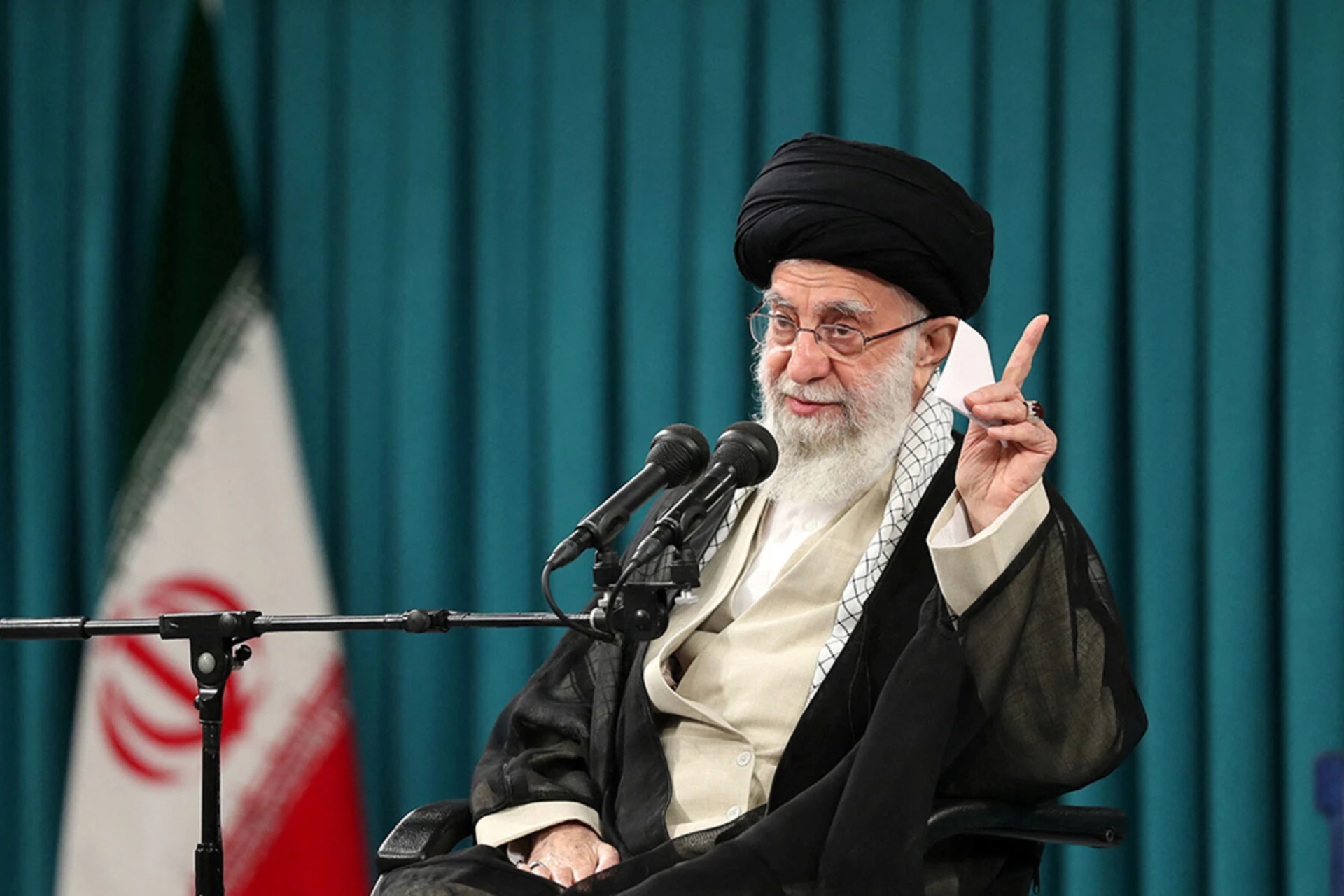
Diplomacy or a lever of threat?
Despite public statements by Iranian Foreign Minister Abbas Araghchi that the Islamic Republic is preparing a detailed proposal for peaceful uranium enrichment, Washington’s stance appears uncompromising.
Even the acceptance of “limited, symbolic enrichment” presupposes that Iran will provide proof that it does not constitute a threat to the security of the United States or Israel.
In essence, the American strategy combines the possibility of a diplomatic proposal with the threat of military force, creating an environment in which Iran has no genuine choice.
Trump’s statements regarding Iranian protesters, whom he mentioned have lost thousands of lives, indicate a communication strategy that leverages the country’s internal issues to legitimize potential military maneuvers.
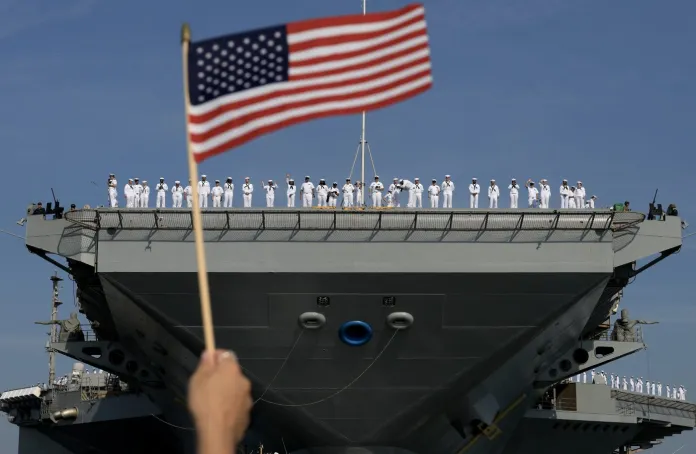
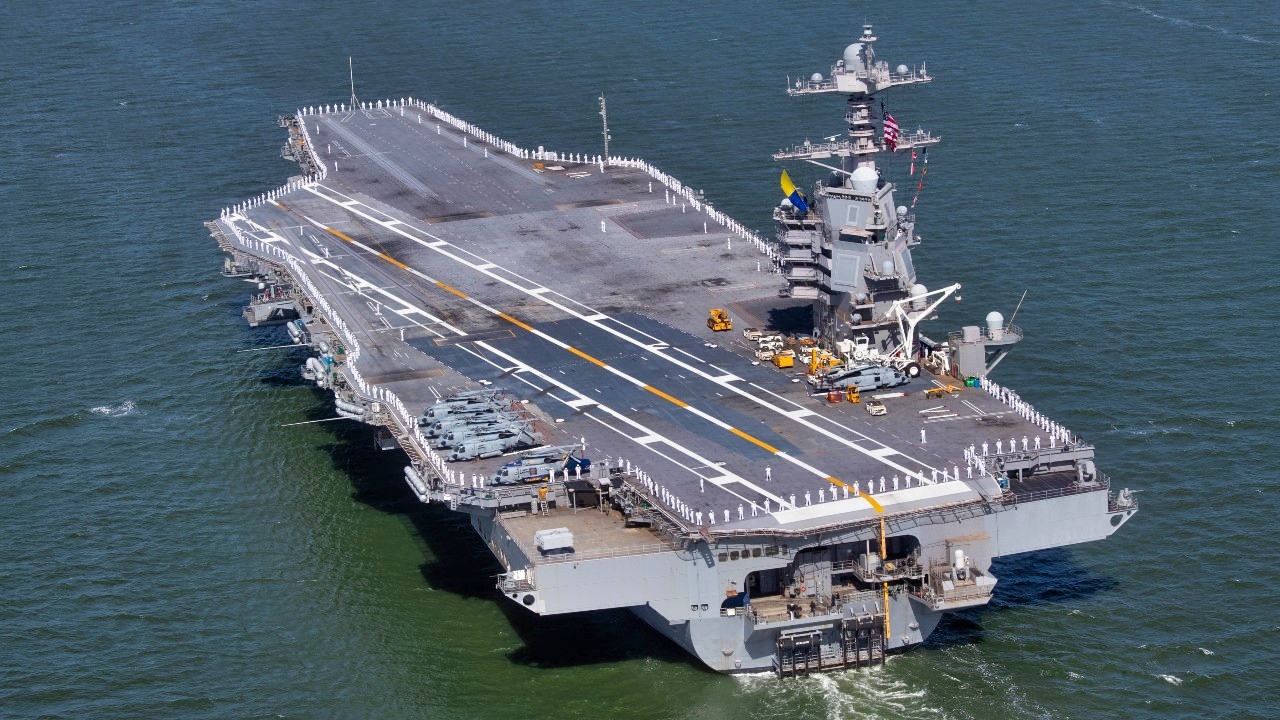
The United States’ most advanced military asset is the aircraft carrier USS Gerald R. Ford, but something dangerous is happening
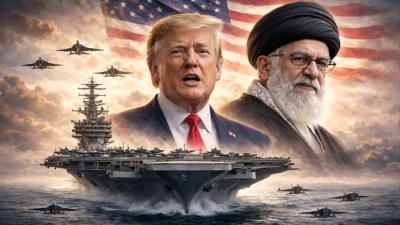
While talks continue, the United States has increased its military presence in the region with the deployment of the USS Gerald R. Ford, the largest aircraft carrier in the world, into the Mediterranean via the Strait of Gibraltar on 20 February.
Three cruisers are sailing alongside it, raising the total number of United States warships in the Middle East to 17.
The presence of such a massive warship, with dozens of aircraft and thousands of sailors, signals a striking display of power, but at the same time raises concerns regarding safety and maintenance.
The USS Gerald R. Ford has already experienced significant delays for repairs and upgrades, and the new extended mission in the Middle East further strains its systems and crew.
Senator Mark Kelly, a former pilot, warned that the continuous deployment of an aircraft carrier at sea for more than six months causes wear and increases the probability of accidents, not only involving aircraft but also affecting the crew itself, as fatigue and minor incidents become more frequent.
Admiral Mike Franken emphasized that delaying scheduled maintenance can lead to a dramatic increase in costs and significant operational problems in the event of conflict.
Previous incidents, such as accidents involving the USS Harry S. Truman in the Middle East during 2024-2025, demonstrate that excessive operational use of United States warships can have serious consequences, even during periods without active military engagement.
The sustained presence of the USS Gerald R. Ford across multiple operational zones, Mediterranean, Caribbean, Middle East, increases the risk of human and technical errors, a factor that further complicates the broader picture of American military readiness.
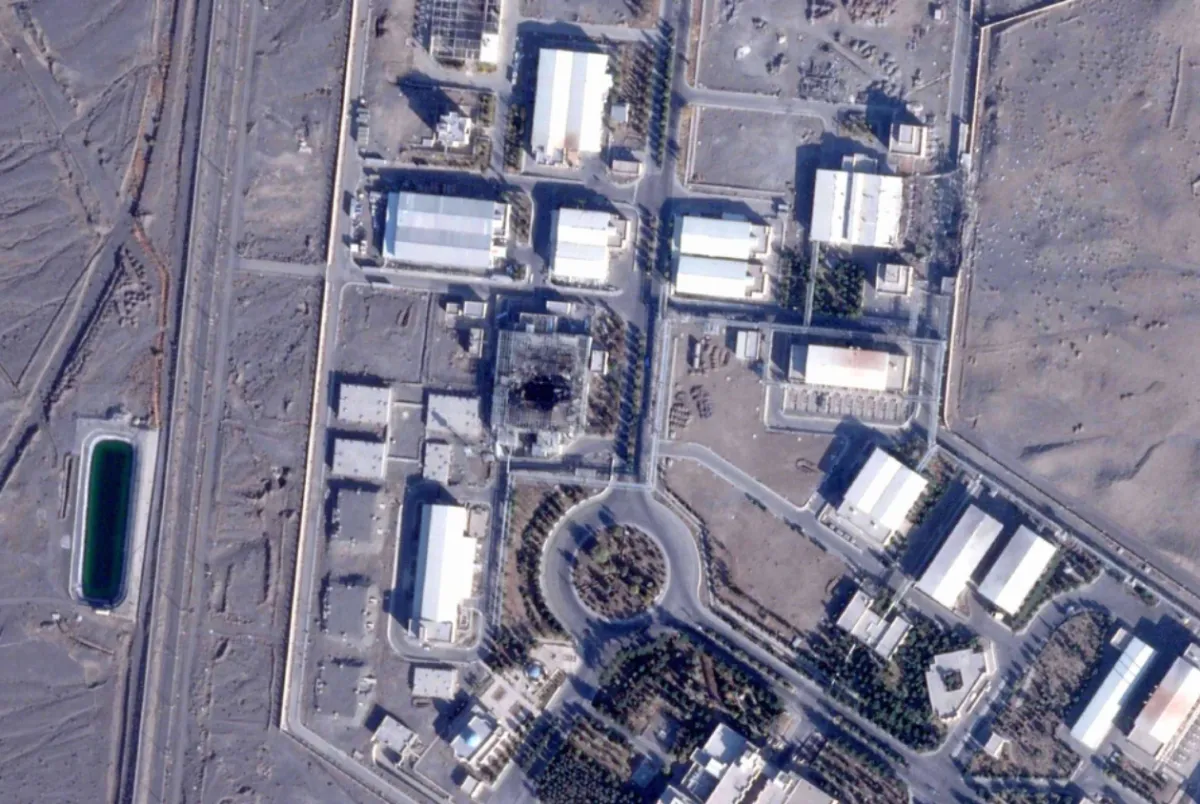
American strategy: Uncertainty and pressure
The strategy of the United States toward Iran appears contradictory and dangerously unstable.
On one hand, the Trump administration declares that it is open to a proposal for peaceful uranium enrichment, while on the other it holds plans involving the elimination of the Iranian leadership.
This ambiguity creates a climate of fear and pressure for Iran, increasing the likelihood of military confrontation rather than a diplomatic solution.
American advisers disagree even among themselves, with some advocating patience and the strengthening of the military presence as a lever of pressure, while others state that no one knows what the president will ultimately decide.
Officials within the Pentagon themselves question the feasibility of the continuous operational deployment of the USS Gerald R. Ford without serious consequences.
Iran’s potential diplomatic proposal
Abbas Araghchi stated that the proposal Iran will present will include political commitments and technical measures to ensure that the nuclear program remains exclusively for peaceful purposes.
The participation of Raphael Grossi, head of the United Nations atomic energy body, ensures that there will be independent oversight and the possible return of United Nations inspectors to Iran.
However, the American side has already set the bar very high, every proposal must be detailed and indisputable, proving that the Islamic Republic will never introduce a military dimension to its nuclear program.
The political and military asymmetry in the treatment of Iran creates an environment in which the United States retains the upper hand, while Iran is confined to a defensive negotiating posture.
American greed or strategic weakness? - A continuous game with fire
The simultaneous use of diplomacy and military pressure by the United States does not signal crisis resolution capability, but rather a power play and military demonstration.
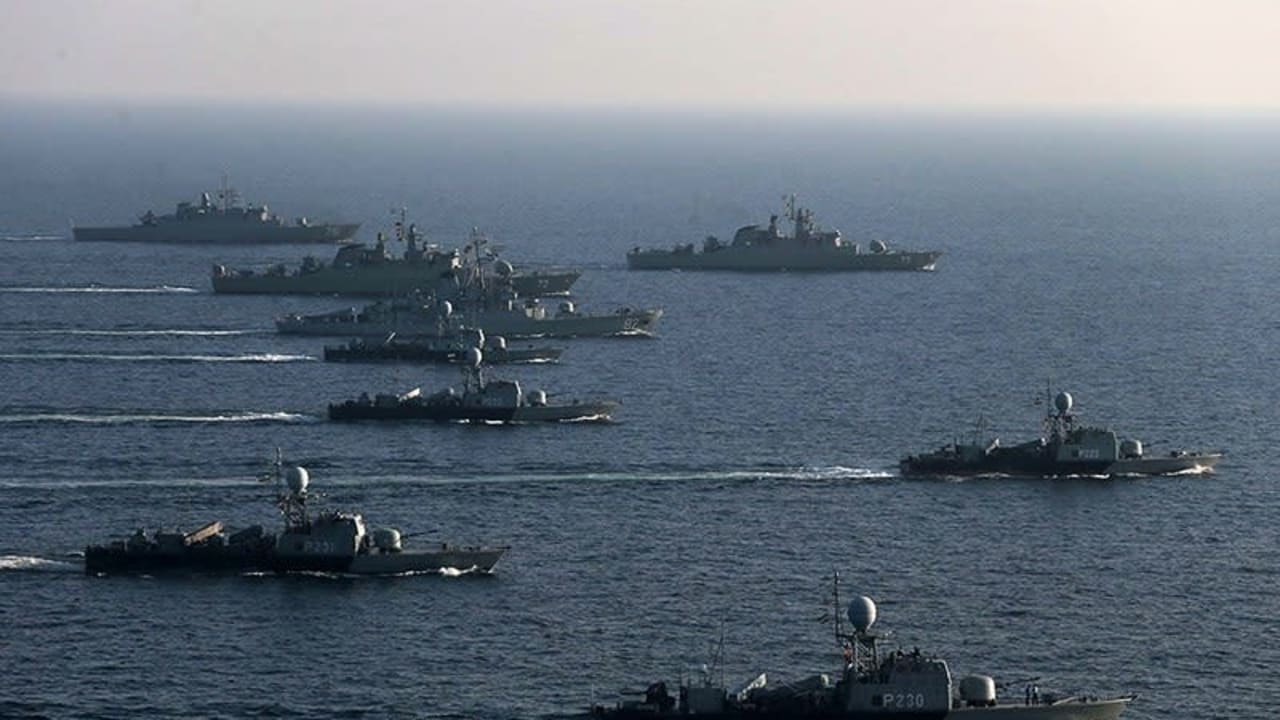
The presence of the USS Gerald R. Ford and the other 17 United States warships in the Middle East represents more an indication of excessive military ambition than of a coherent strategy.
Iran’s forthcoming proposal, focused on peaceful enrichment and transparency, offers a genuine opportunity for a negotiated solution, which nevertheless risks being undermined by arbitrary American demands and threats against the Iranian leadership.
Washington, instead of building trust, is pushing the region toward instability, placing at risk peace, international legitimacy, and the security of millions of people.
The critical image that emerges is clear, America continues to play with fire in the Middle East, disregarding the consequences, while Iran attempts to maintain a manageable framework for negotiations, while preserving its sovereign rights in the nuclear domain.
The outcome of this policy is expected to determine not only regional security, but also the credibility of the United States as an actor of international peace.
www.bankingnews.gr




Σχόλια αναγνωστών