Τελευταία Νέα
Διεθνή

United States alarm over Iran nuclear timeline triggers emergency alert in Tehran

United States alarm over Iran nuclear timeline triggers emergency alert in Tehran
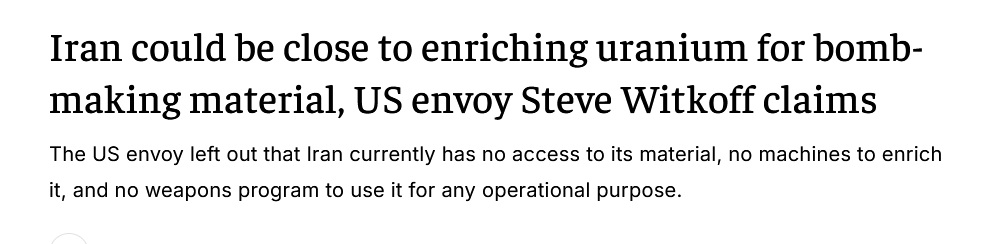
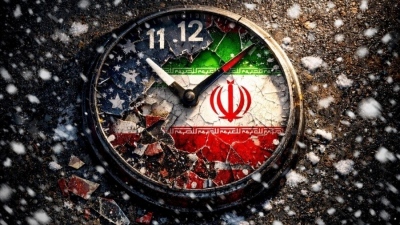
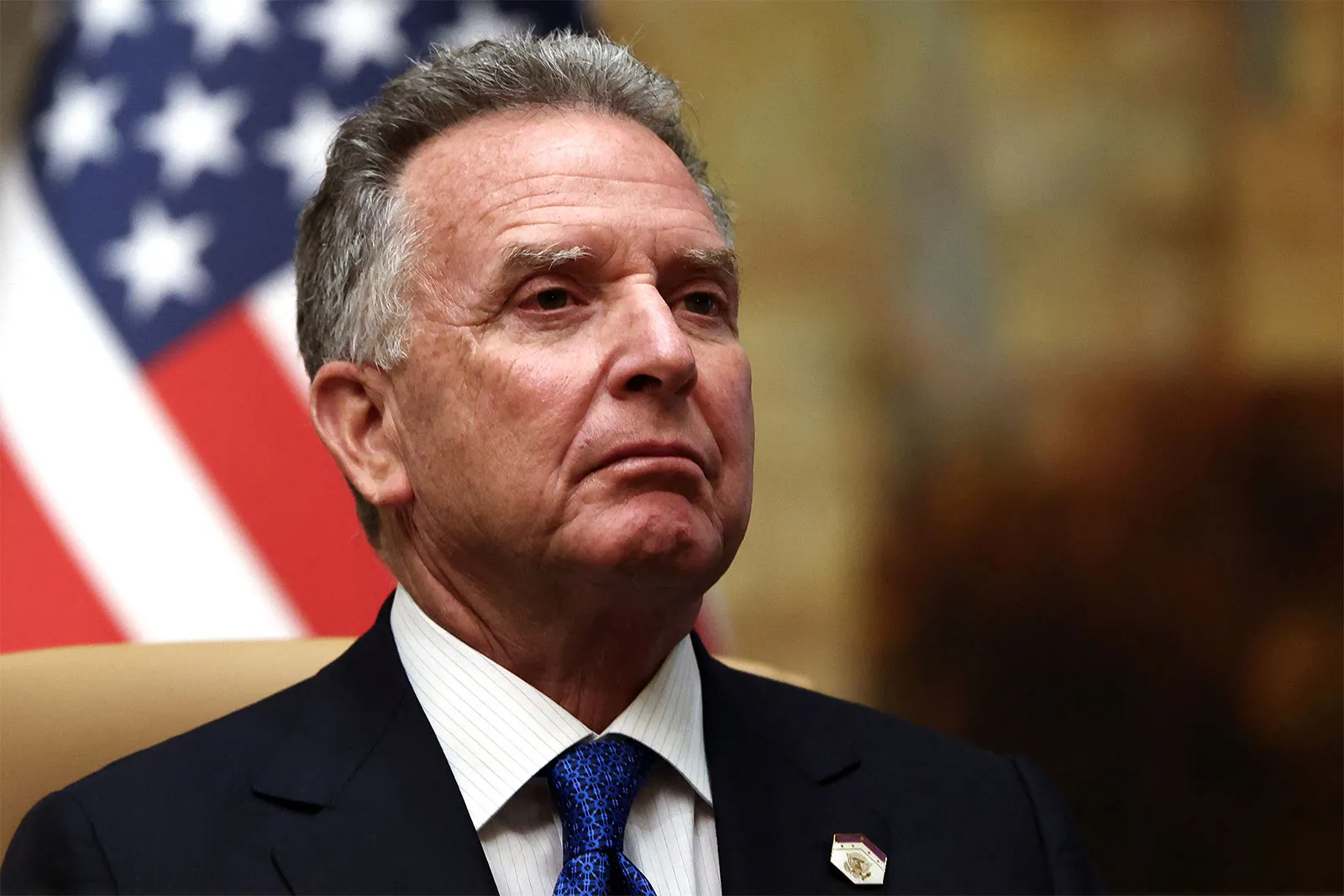
Iran could theoretically be about one week away from enriching its existing uranium to a level suitable for a nuclear weapon, said Trump’s special envoy to the Middle East, Steve Witkoff, opening the way for a United States strike on Iran

Developments in the Iranian issue are rapid following a bombshell statement by the United States special envoy for the Middle East, Steve Witkoff, who with his remarks suddenly opens the way for a lightning military attack on Tehran.
At the center of this new crisis is the rhetoric of an “imminent nuclear threat” from Iran, which is returning with intensity, despite the fact that Tehran’s nuclear program has suffered devastating blows, at least according to the narrative of Washington.
The United States special envoy for the Middle East, Steve Witkoff, told Fox News that Iran “could theoretically be about one week away” from enriching its existing uranium to a level suitable for a nuclear weapon.
This phrasing, dramatic and entirely calculated, clearly aimed at creating a sense of urgency.
The feeling that the region stands on the brink of another major conflagration is no longer an exaggeration, but a realistic depiction of the moment.
Moreover, statements by senior officials, leaks about operational plans that reportedly include even targeted assassinations of the Iranian leadership, as well as the deployment of enormous military power in the region, compose a scene that strongly recalls the eve of previous American interventions.
witkoff_2_1.webp
The scene dangerously recalls 2003 and the invasion of Iraq

However, the American official does not substantiate his statement, which in fact contradicts the American narrative that Iran, after the strikes of June 2025, has no practical access to its enriched material, no longer possesses the necessary centrifuges for further enrichment, and that the alleged weaponization program has essentially been destroyed.
It is recalled that in June 2025, Israel and the United States carried out a coordinated military operation that, according to American assessments themselves, destroyed approximately 20,000 Iranian centrifuges, dismantled the complex weaponization program, struck the three main nuclear facilities and dozens of smaller ones, while killing leading Iranian nuclear scientists.
In addition, sections of underground facilities collapsed, making even Tehran’s own access to enriched uranium stockpiles difficult.
Within this framework, the phrase “one week away from a bomb” takes on a strongly political character.
It does not describe an immediate operational capability, but a hypothetical scenario under the condition that Iran rebuilds its entire infrastructure from scratch.
This is rhetoric that dangerously recalls the period before the invasion of Iraq in 2003, when claims about weapons of mass destruction were used to legitimize a catastrophic intervention.
1_861_1.jpg

The United States prepares for a major operation - All scenarios on the table

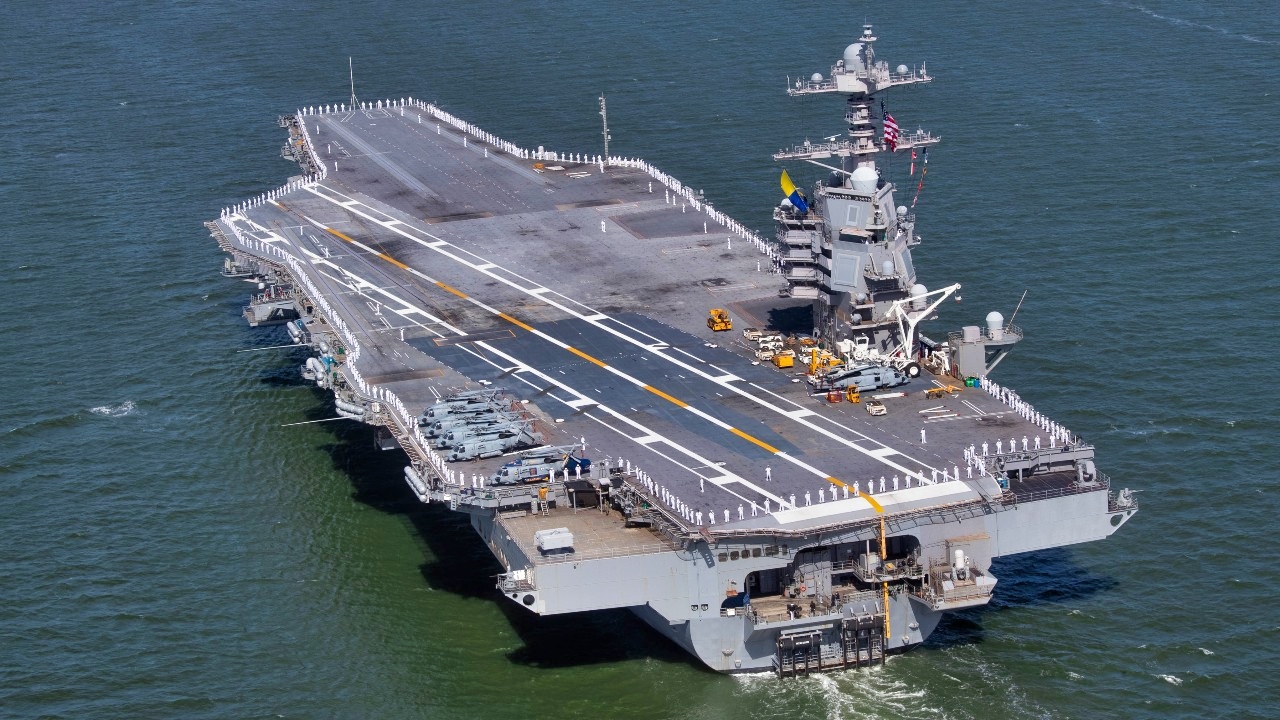
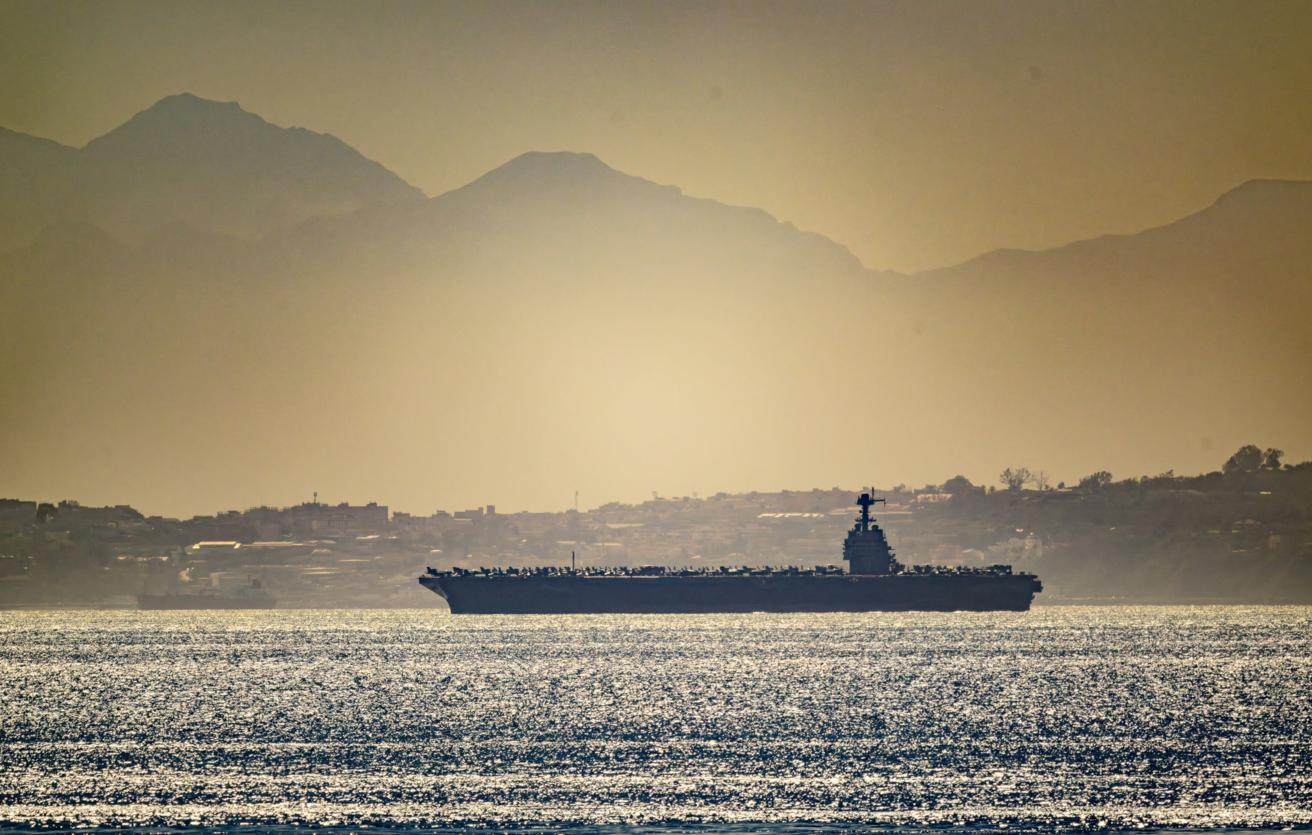
According to leaks, two aircraft carriers and hundreds of warplanes are on standby for a possible large scale operation.
Options reportedly include even targeting Iran’s Supreme Leader, Ali Khamenei, as well as his son.
The fact that the “neutralization” of the top political and religious leadership of a sovereign state is being openly discussed constitutes extreme escalation and a dangerous precedent.
The Pentagon has presented Trump with options ranging from limited strikes to the elimination of Iran’s leadership.
2_989_1.jpg

A senior adviser stated: “They have something for every scenario. One scenario takes out the Ayatollah and his son, the mullahs. What will the president choose? No one knows. Not even him.”
3_885_1.jpg

The United States plans a no fly zone

At the same time, the recent deployment of American AEW&C aircraft to the Middle East reveals increased military preparations by the United States near Iran.
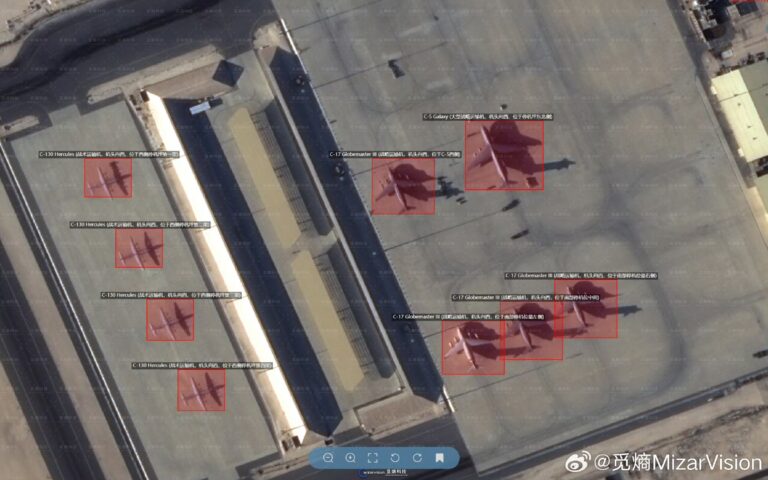
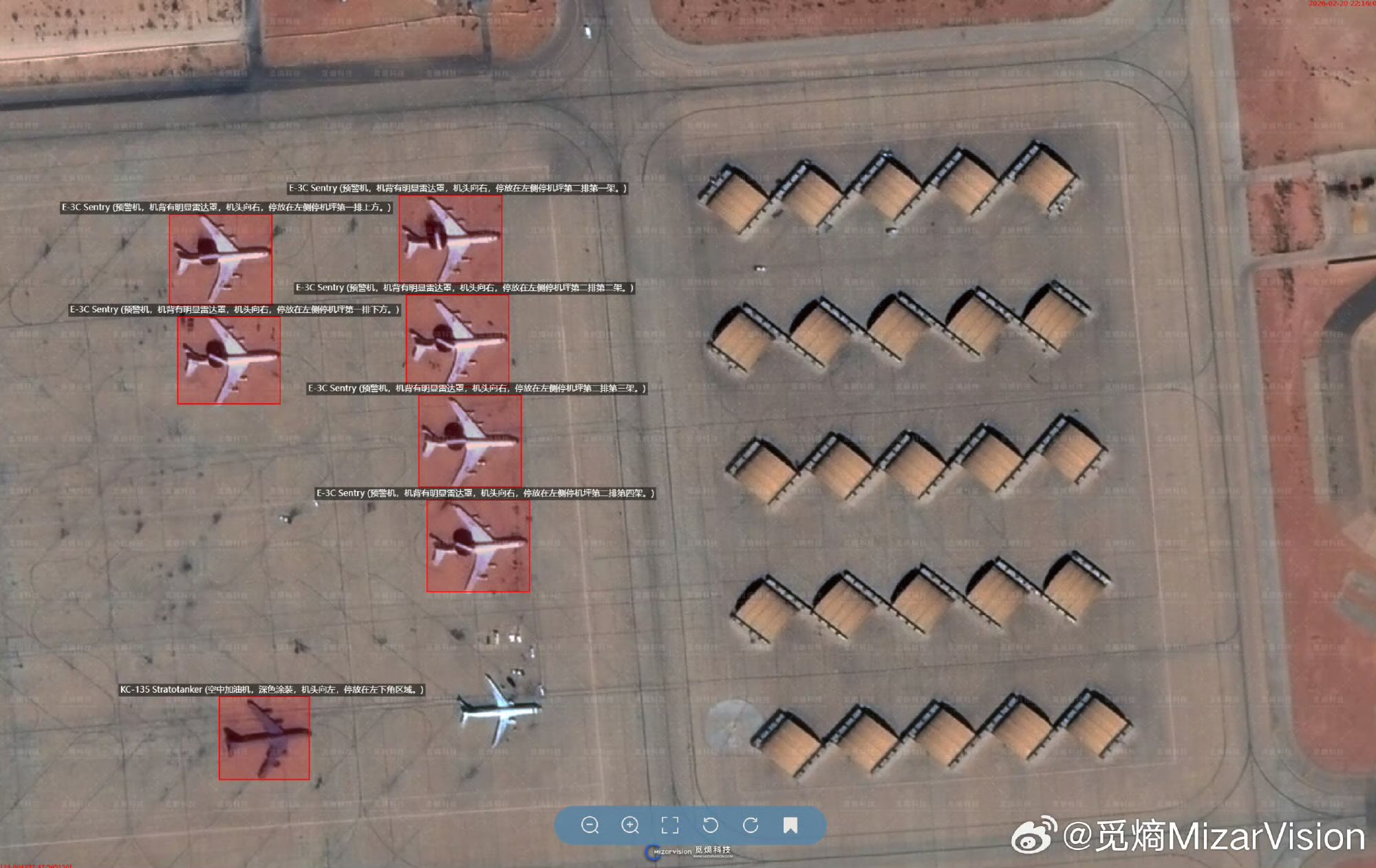
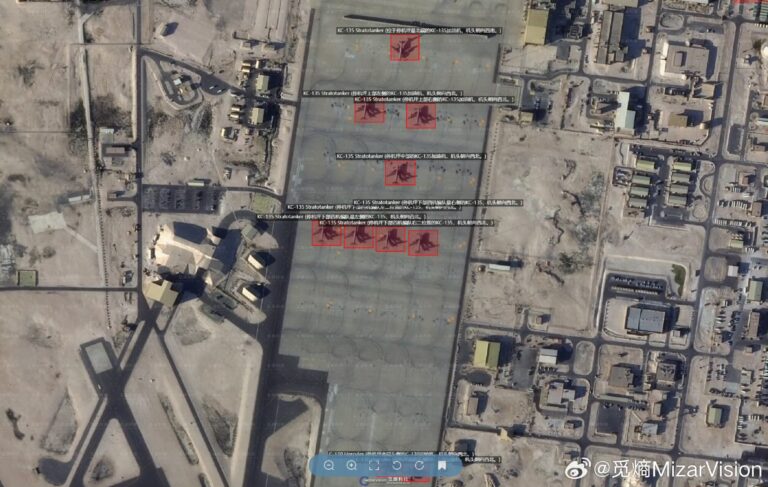
As shown by satellite images published by the Chinese MizarVision on 21 February, six modern E-3G Sentry AEW&C aircraft have been fully deployed at Prince Sultan Air Base in Saudi Arabia, just one step away from the Iranian border.
01_105_1.jpg

The E-3G represents the latest version of the AEW&C platform based on the Boeing 707, with enhanced radar, improved computing power, and upgraded communications systems.
Their ability to provide 360° surveillance, battle management, and detection of friendly, hostile, and neutral targets, even in adverse weather conditions, makes these aircraft critical tools for any large military operation.
02_104_1.jpg
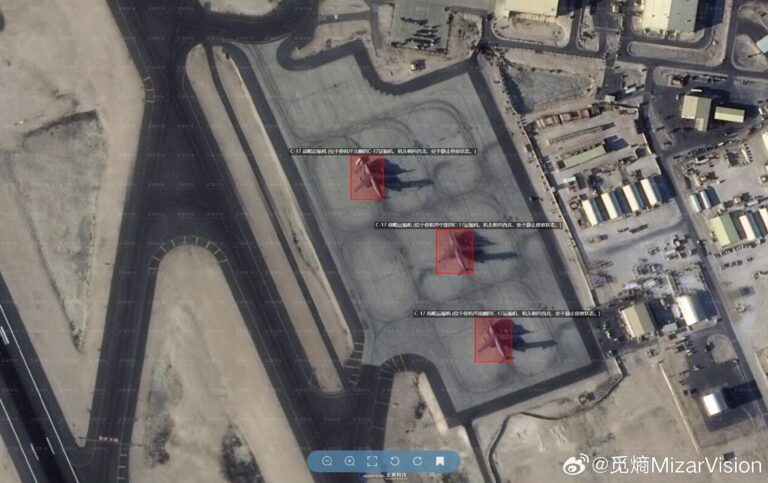
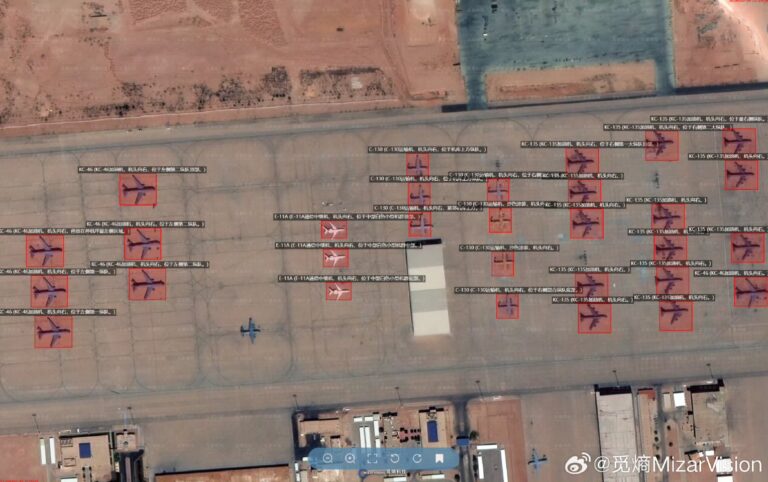
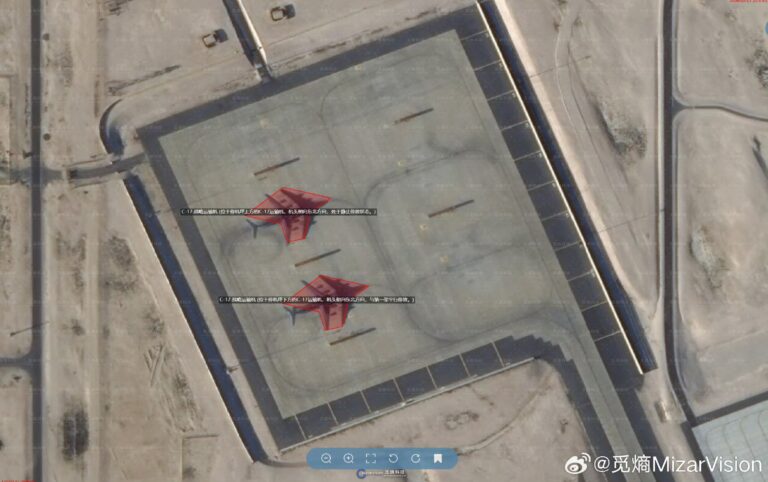
Alongside the AEW&C, the satellite images show the presence of three E-11A BACN (Battlefield Airborne Communications Node) aircraft.
BACN enables the real time flow of information between different communication and tactical data systems, within and beyond line of sight, bridging communication gaps in a complex combat environment.
03_53_1.jpg

Also significant is the presence of at least 21 aerial refueling aircraft, with six KC-46 Pegasus and 15 KC-135 Stratotanker, which support the prolonged missions of the AEW&C and BACN. The concentration of these assets at a base so close to Iran suggests that the United States military leadership is preparing an extensive campaign, not merely a limited strike, such as Operation Midnight Hammer, which targeted Iranian nuclear facilities in June of the previous year.
Information from Reuters and Axios reinforces the assessment that Washington is planning a campaign against Iran lasting several weeks, which could even include the imposition of a no fly zone in the event of war.
04_38_1.jpg

Satellite images from Al Udeid Air Base, near Doha, Qatar, show the deployment of eight KC-135, although it remains unclear when they arrived at the air base, which is among the largest hosting American military forces in the Middle East.
At the same time, images from Muwaffaq Salti Air Base in northeastern Jordan confirm the deployment of F-35 Lightning II and F-16 Fighting Falcon, with at least 18 F-35, 12 F-16, dozens of F-15E Strike Eagle, and MQ-9 Reaper drones, which had already been deployed in the region.

05_23_1.jpg
The concentration of this number of modern fighter jets and unmanned aircraft demonstrates the clear intention of the United States to maintain continuous air superiority under any potential military scenario.
The overall picture suggests that the United States is fully prepared for a military attack against Iran.
06_12_1.jpg

Graham fuels tensions: Trump, strike Iran, ignore your advisers

At the same time, Republican Senator Lindsey Graham told Axios that some advisers around Donald Trump are urging him not to bomb Iran, and he called on him to ignore those voices.
This position reveals a deep rift within the American leadership, on one side, the camp of military escalation, on the other, those who fear a new, unpredictable entanglement.
Graham, who leads the hawkish camp, recently visited Israel, the United Arab Emirates, and Saudi Arabia, discussing the Iranian issue with their leaderships.
He stated that he sees a “historic opportunity for change in Iran” and warned that those opposing “decisive action” are ignoring the consequences of leaving “evil unchecked.”
The use of moralistic terms such as “evil” in describing international relations is not simply rhetorical excess, it is an indication of a worldview that perceives foreign policy as a field of crusade.
On the other hand, there are Trump advisers who favor maintaining the military threat as a lever of pressure, without immediate resort to strikes.
Some express serious doubts about the expediency of a regime change operation in Tehran.
The experience of Iraq, Libya, and Afghanistan has shown that the collapse of a regime does not necessarily lead to stability, often the opposite.

graham_1_1.webp

Iran is strong - Enormous risk of a generalized war with uncontrollable consequences

Iran is not an isolated country without regional connections.
It possesses networks of influence throughout the Middle East, from Lebanon to Yemen.
A large scale American attack could trigger chain reactions, disrupt energy markets, and involve multiple actors in a broader conflict.
The rhetoric of “one week from the bomb” functions as a tool of pressure, but also as a political weapon for domestic consumption.
iran_1_7_1.jpg
It creates a sense of urgency that makes extreme options more acceptable.
Moreover, the idea that the United States can unilaterally determine which states are entitled or not entitled to specific technologies undermines the international non proliferation system itself. The issue is not whether Iran should acquire nuclear weapons, the international community has every reason to prevent such an outcome.
The issue is whether deterrence will be based on multilateral mechanisms, inspections, and agreements, or on repeated bombardments and threats of assassinating leaders.
The invocation of a “historic opportunity” for regime change also reveals deeper ambitions.
iran_2_6_1.jpg

This is not only about the nuclear program, it is about Iran’s overall geopolitical role.
The weakening or collapse of Tehran would radically reshape the balance in the Middle East, strengthening certain regional allies of Washington and weakening the axis opposing American influence.
However, any such realignment would carry enormous costs.
iran_3_6_1.jpg
Iran is a country of nearly 90 million people, with a strong national identity and a long history.
Its military infrastructure, although damaged, remains significant.
A direct conflict could evolve into a prolonged war with unpredictable consequences.

iran_army_2_1.jpg
“We are ready”: War mobilization in Iran and missiles at the borders

Iran is feverishly preparing to repel an imminent attack from the United States, now considering strikes inevitable.
According to a report by the New York Times, citing sources and expert analysts, Tehran has drawn critical lessons from Israel’s surprise attack.
All security forces have received clear instructions for road blockades and the identification of foreign agents inside the country.
“We identified our weaknesses and corrected them,” said the secretary of the Supreme National Security Council Ali Larijani to Al Jazeera, emphasizing that Iran is now stronger than ever.
Tehran operates under the assumption that an American attack is inevitable.
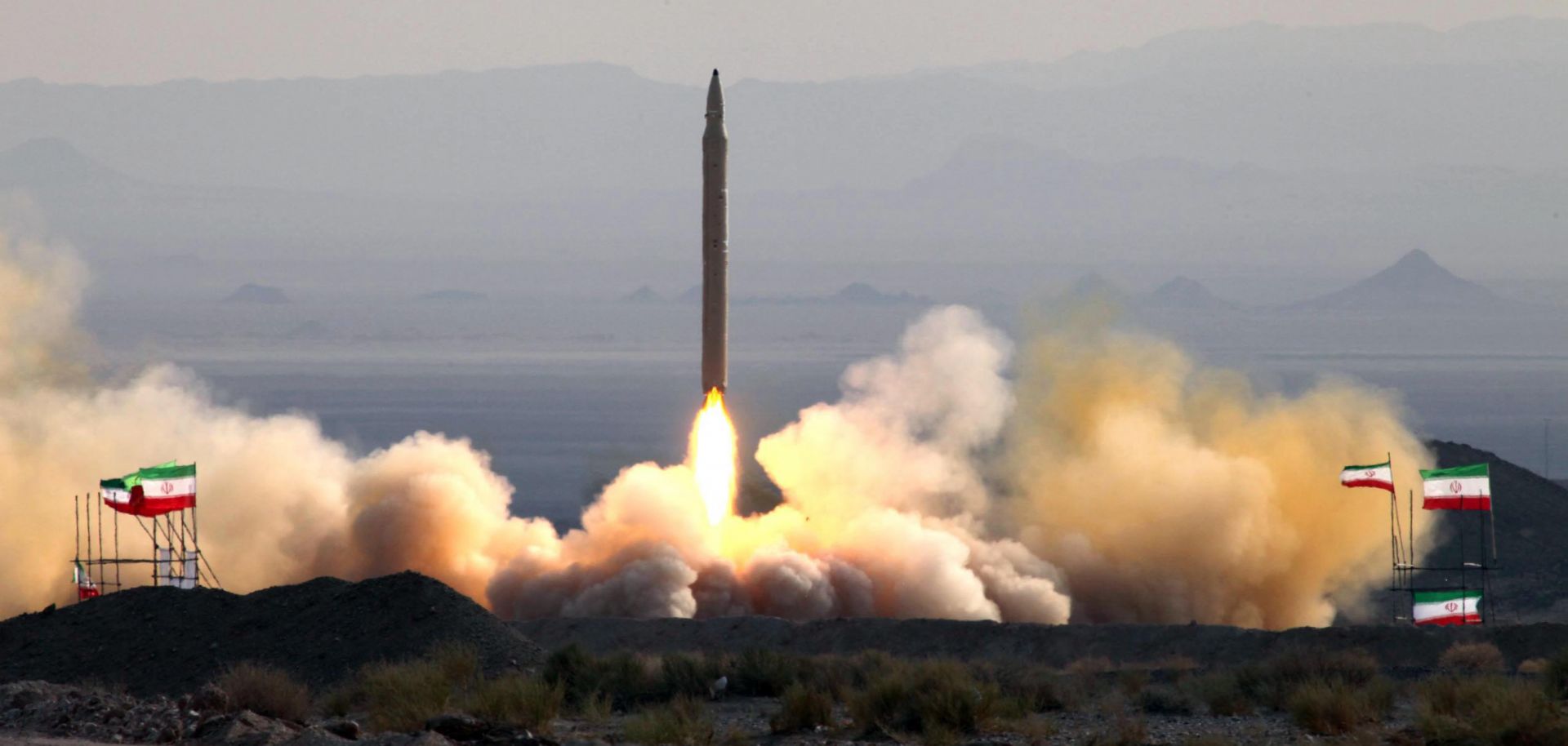
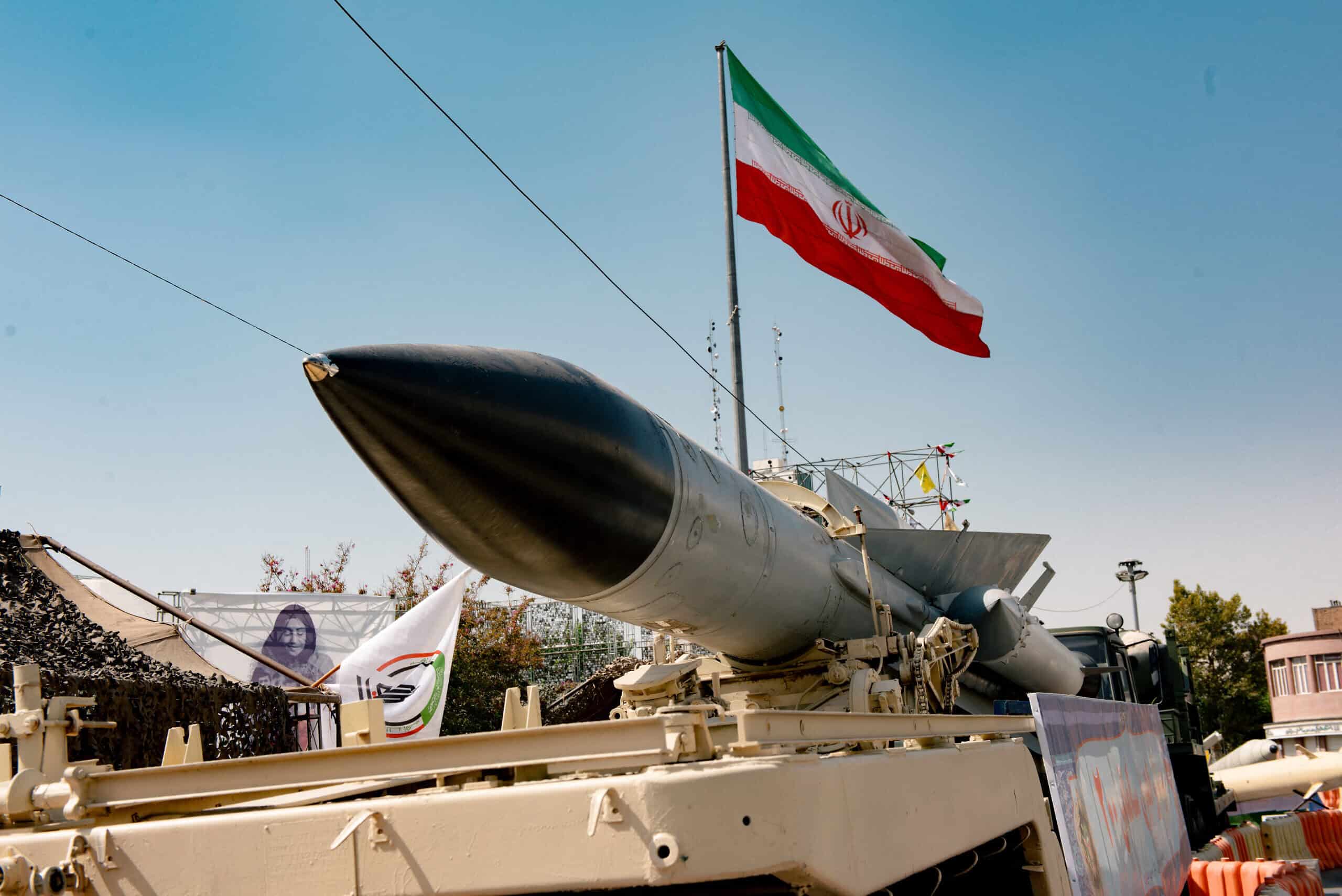
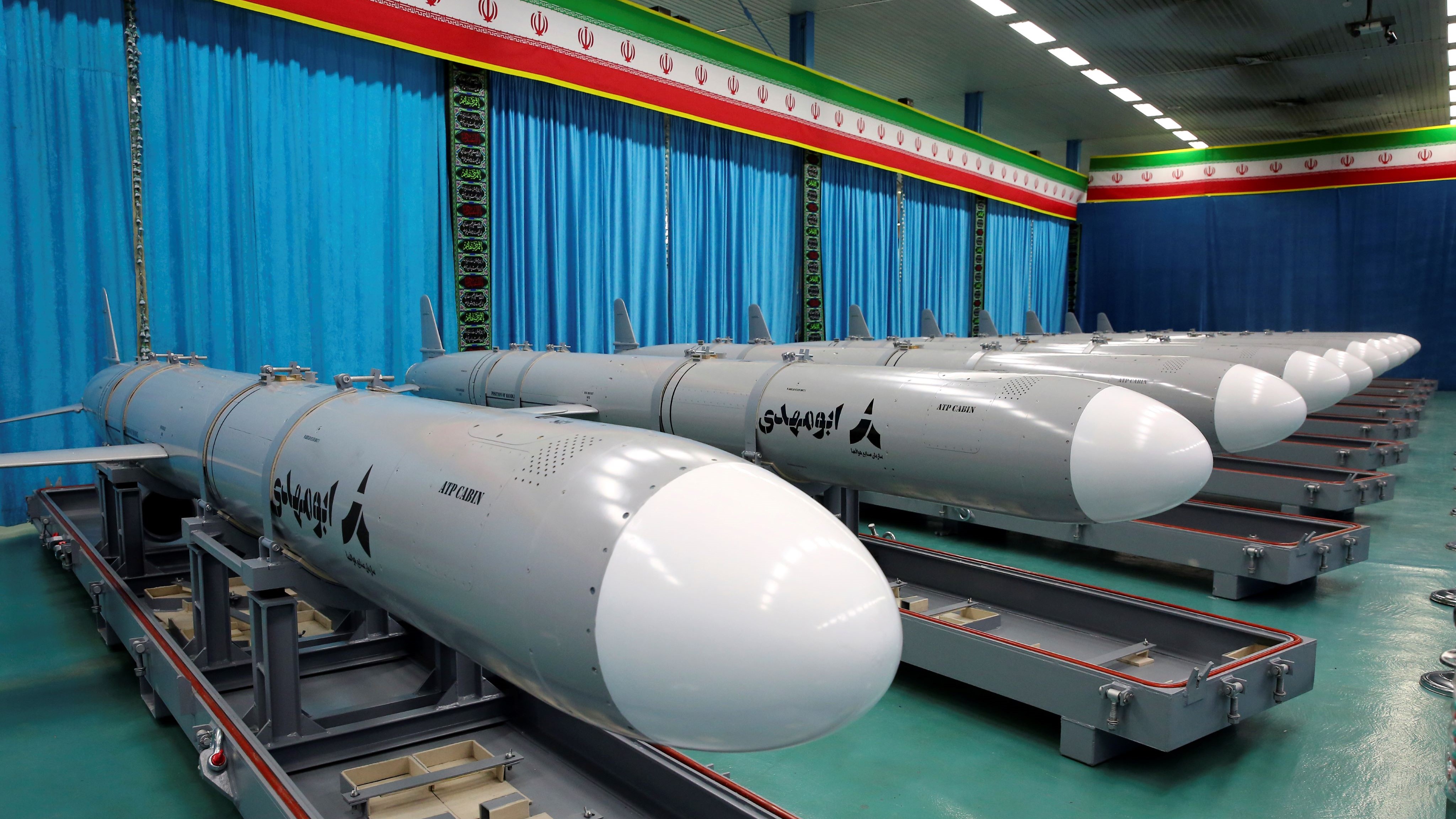
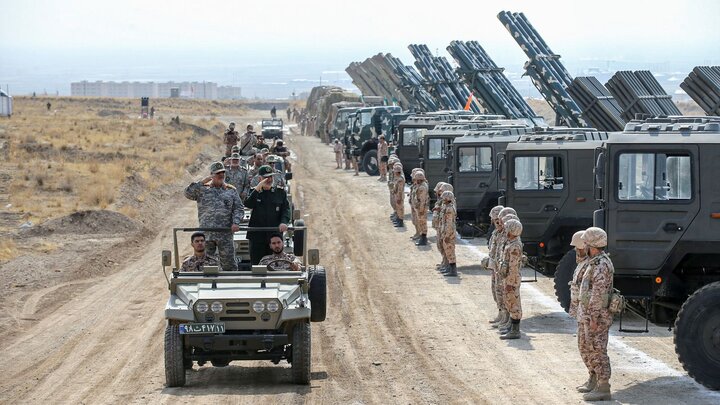
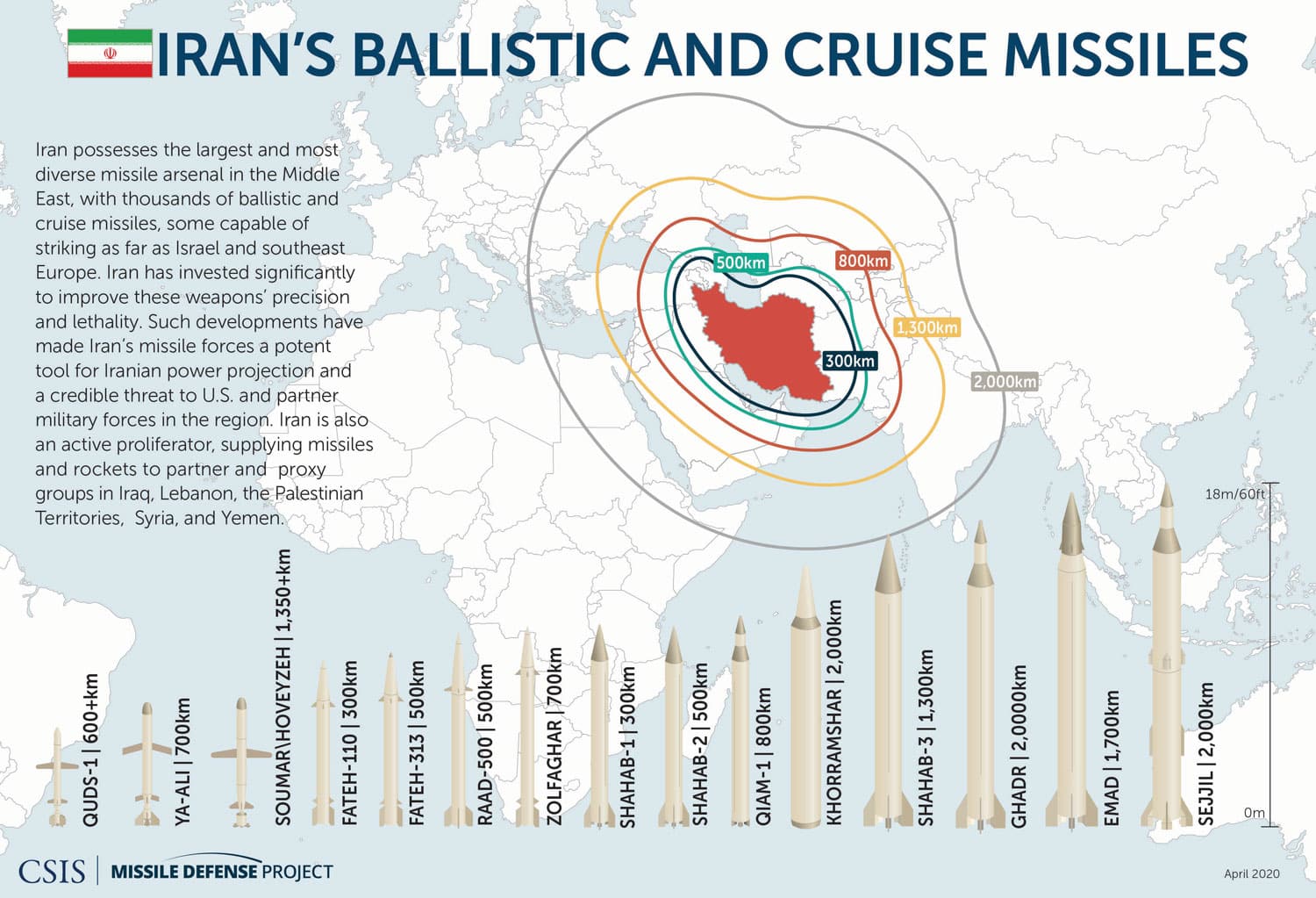
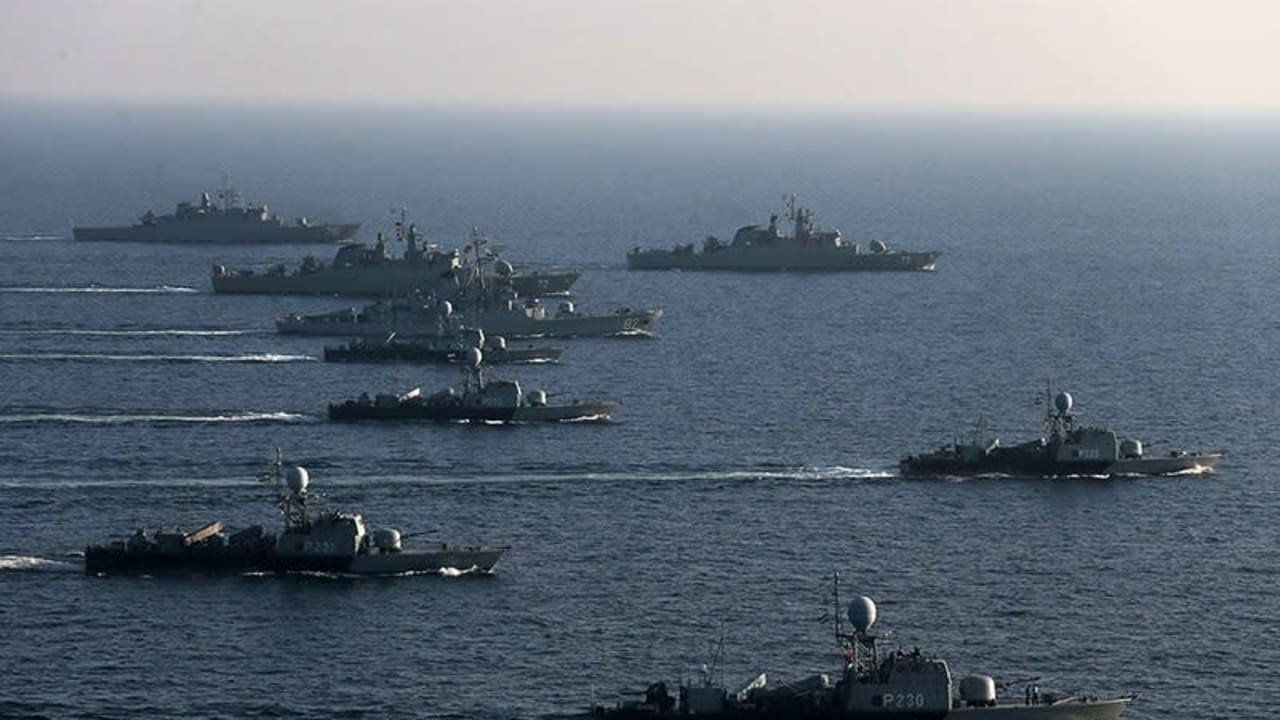
Within this framework, ballistic missiles have been positioned along the western border with Iraq for strikes against Israel, as well as along the southern coasts of the Persian Gulf, targeting American bases and the fleet. Recent military exercises even led to the temporary closure of the Strait of Hormuz, the most critical passage point for global energy.
As part of the preparations, extensive military drills were conducted.
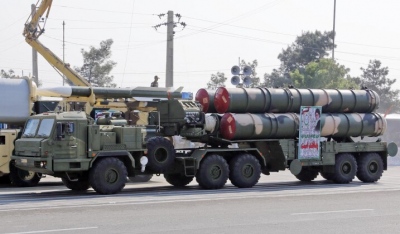
Missile launchers have already been deployed along the western borders for potential strikes against Israel, while along the coasts of the Persian Gulf, systems have been placed targeting American bases and the United States fleet in the region.
In the event of war, special forces and the Basij militia will flood the streets of the cities, setting up checkpoints to prevent internal unrest and detect foreign agents.
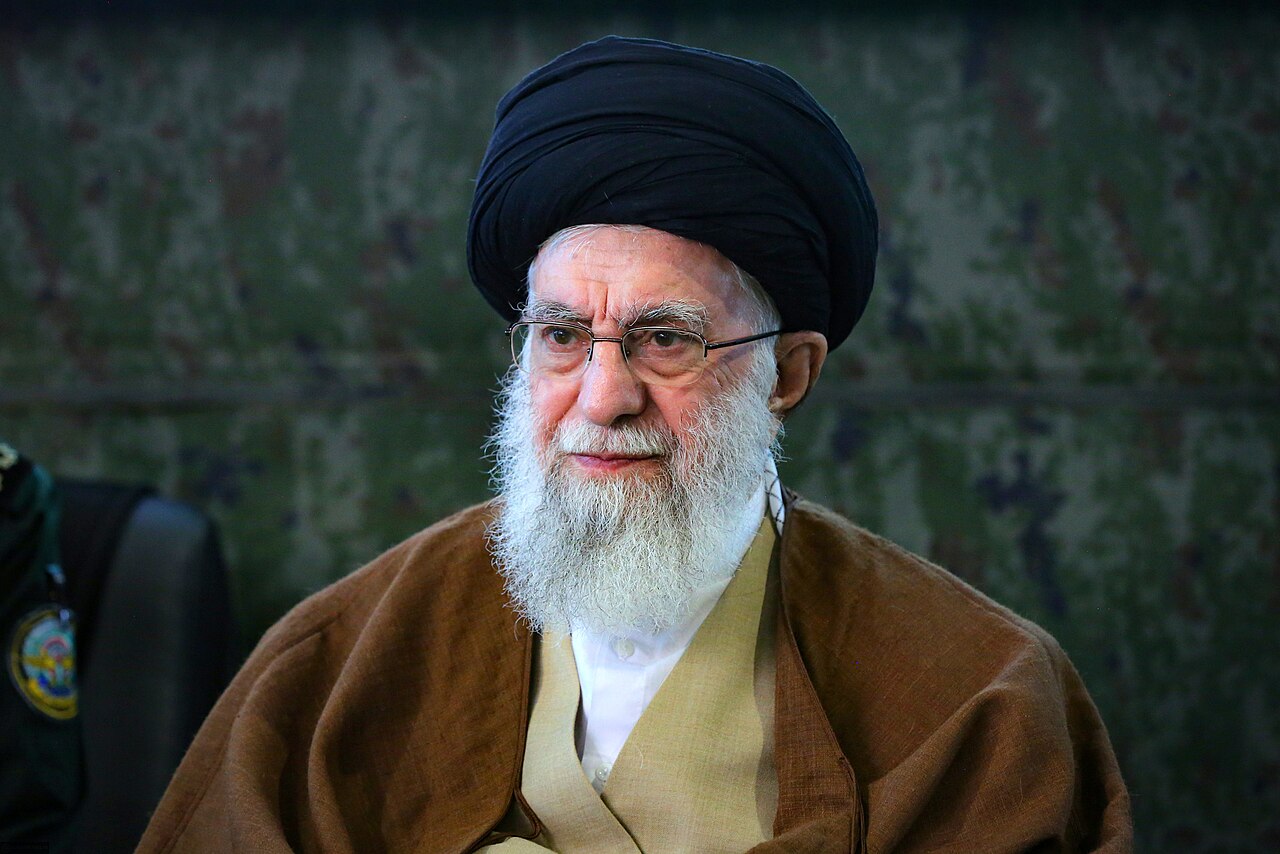
At the same time, Khamenei ordered the drafting of an action plan in the event of his assassination.
khamenei_1_1.jpg

The “blood succession” plan and leadership survival on the “next day”

Ali Khamenei, having learned lessons from Israel’s surprise attack last June, which decapitated parts of the military leadership, issued strict directives.
He has defined four levels of succession for every critical military and governmental position.
In the event that he is assassinated or communications are disrupted, a close circle of trusted associates, including Larijani and Mohammad Bagher Ghalibaf, will take decisions.
Expert Vali Nasr notes that Ali Khamenei now openly calculates the possibility of becoming a “martyr” and is preparing the state both for succession and for war, recognizing that one may be the consequence of the other.
Ali Khamenei appears to accept the prospect of martyrdom, preparing the state for major conflict, knowing that his succession may become an immediate consequence of war.
He has already transferred part of his authority to close associates, who are tasked with identifying up to four potential replacements in the event of his death or capture.
iran_4_4_1.jpg

“Trump will be judged by history”

Responsibility for the final decision rests with Trump, as even Graham himself acknowledges.
“He will be judged by history,” he said.
History, however, has already recorded the outcomes of similar choices, destabilized societies, the strengthening of extreme elements, long term military commitments, and enormous human cost.
Ultimately, the dilemma is not merely military.
It is deeply political and moral. Will Washington choose a strategy based on continuous demonstrations of power and coercion, or will it invest in a difficult but necessary diplomatic process?
Will the mistakes of the past be repeated, or will there be reflection?
The Middle East has paid a heavy price for the geopolitical ambitions of external powers.
A new conflict with Iran would not simply be another episode of tension, it could mark a turning point with global consequences.
And then, the phrase “one week away” may prove to be the slogan that opened the way to a conflict with no visible end.

claims_1.jpg


www.bankingnews.gr

Ρoή Ειδήσεων

Σχόλια αναγνωστών

Δείτε επίσης