

Two Chinese ships, a Norwegian operation, and Moscow's strategic plan
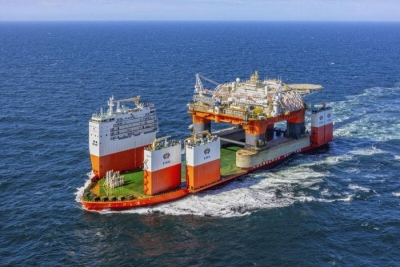
Arctic LNG 2 is not merely another liquefied natural gas production facility. It is a strategic project for Russia in the Arctic, through which Moscow seeks to reinforce its presence in the global LNG market and develop new export capabilities despite Western sanctions. China plays a significant role in this effort, as it possesses the industrial and shipbuilding capacity for manufacturing and transporting massive energy modules. The detention of a vessel that has serviced this specific project highlights a critical dimension of sanctions enforcement: it is not enough to restrict the sale of Russian natural gas; pressure can also be exerted on the infrastructure, transport, and supply chain that enable the development of new facilities, directly impacting maritime supply chains. However, a key distinction exists. The official cause for detaining the Ya Qing Hai Yang centers on registration and certification irregularities, while it has not been confirmed that the two vessels are currently carrying equipment for Arctic LNG 2. Furthermore, no corresponding final sailing ban has been announced for the second ship, leaving questions regarding vessel flag compliance.
What exactly is happening
This development carries broader geopolitical significance. The Arctic is gradually transforming into a zone of heightened strategic competition where energy resources, new maritime routes, and major power interests intersect. The Northern Sea Route constitutes a vital component of Russian planning, offering maritime connectivity options toward Asian markets. Simultaneously, the presence of Chinese vessels on routes connected to Russian energy projects underscores the growing importance of cooperation between Moscow and Beijing. The real stake is not merely the fate of two ships, but whether Western sanctions can slow down the creation of new Russian energy capabilities. For Moscow, every obstacle in equipment transport can translate into delays and additional costs. For the West, enforcing sanctions serves as a mechanism to curb Russia's future energy revenues, reshaping Arctic energy politics. Thus, an incident in a Norwegian fjord assumes importance far exceeding its geographic footprint. Because in the Arctic, it is not only cargo being transported. Energy investments, commercial routes, and the future balance of power among Russia, China, and the West are all on the line, defining great power competition.
www.bankingnews.gr





Σχόλια αναγνωστών