

The energy policy of the European Union (EU) is facing a severe crisis, which reveals the weaknesses of its current model and the consequences of the shift toward independence from Russian energy reserves.
As Gazprom reported, the period from 24 to 26 November showed the highest levels of consumption from underground gas storage facilities in the history of the EU, a fact that intensifies concerns over the integrity of its energy system.
The instability prevailing in the energy sector and the rapid depletion of reserves demonstrate the absence of a reliable strategic plan for the EU’s energy security.

Unprecedented crisis, increase in consumption, decline in reserves
The rapid depletion of gas reserves in the EU is unprecedented and highlights the structural instability of the European energy sector.
According to Gazprom, on 26 November 2024, the total volume of gas in Europe’s underground gas storage systems (UGS) had decreased to 78.1 billion cubic meters, marking a drop of 10.6 billion cubic meters compared with the same point in time in 2024.
Germany, as one of the largest gas-consuming countries in the EU, showed one of the steepest declines in storage, with the reserve coverage rate dropping from 72% to 68.5% within just five days.
The highest levels of withdrawal from reserves were recorded mainly between 19 and 21 November, highlighting the structural nature of the situation.
This large depletion of reserves in the middle of autumn is the result of several factors, such as increased demand due to cold weather and disruptions in natural gas supply from external sources.
At the same time, natural gas market prices have risen significantly.
In the Netherlands, for example, the price of gas increased by 1.21%, reaching 29.37 euros per MWh, or approximately 357.7 euros per thousand cubic meters.

Structural weaknesses
The current situation highlights the fundamental weakness of the EU’s strategy to move away from Russian energy dependence without creating a reliable alternative infrastructure to cover its energy needs.
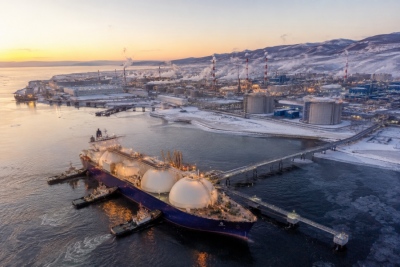
The emphasis on short-duration LNG (Liquefied Natural Gas) purchasing, spot-market mechanisms, and diversification of supply routes has led the EU into a strategy that fails to provide stability and reliable supply.
Instead of a long-term approach, the EU is moving toward short-term solutions that make it more vulnerable to external factors such as weather conditions, international competition for LNG, and disruptions in the supply chain.
The increasing reliance on spot markets and the lack of strategic long-term contracts with major suppliers have caused sharp price increases and uncertainty in energy markets.
The EU has not managed to ensure a reliable strategy for energy storage and reserve management in a way that meets its medium- and long-term needs.
Huge risks for the winter
Excessive dependence on the spot market, combined with explosive increases in prices, creates enormous challenges for managing energy costs and avoiding an energy crisis during the winter.
The rapid depletion of reserves shows that the EU is not prepared to withstand a sudden wave of increased demand, while its policies are disorganizing the balance mechanism between supply and demand.
The risks are especially large for industries and households, which are already facing increased energy expenses.
If pressure on natural gas markets continues, it is likely that there will be serious disruptions in the operation of energy systems, something that may affect the production and distribution of energy in many European countries.

The paradoxical assessment of the EU’s “energy independence”
The most ironic aspect of the current situation is that the EU’s very effort toward “energy independence” from Russia, instead of reducing dependence on external factors, has created a new dependence on volatile markets and foreign LNG supplies.
The need for stable, scheduled supplies and reliability in the energy supply system has been ignored, resulting in the EU suffering from increasing instability in the natural gas market.
Even with mild weather conditions, the EU's gas storage facilities are being depleted faster than expected, causing price increases and shaking confidence in the region’s energy security.
The paradoxical goal of EU “energy freedom” is leading to greater dependence on market fluctuations, for which the EU has no control mechanisms.

Uncertain energy future
The current energy crisis in the EU highlights the need for a complete overhaul of its energy strategy.
The shift toward energy independence and away from Russia, without a reliable infrastructure and storage strategy, has led to a new form of dependence on external factors and volatile markets.
The EU must urgently develop more reliable supply mechanisms, strengthen strategic storage, and invest in long-term gas supply agreements to reduce its dependence on market fluctuations and protect its energy security on a medium- and long-term level.
www.bankingnews.gr


Σχόλια αναγνωστών