

In a period of global geopolitical turmoil, Russia and Iran are moving from words to actions, institutionalizing a three-year mechanism for close coordination that sends a clear message to the West.
New era of strategic coordination
Following extensive negotiations in Moscow, the two heads of diplomacy signed a document aimed at the structured organization of consultations between the Foreign Ministries of the two countries for the next three years. This program acts as an executive roadmap following the activation of the "Comprehensive Strategic Partnership Treaty," a landmark agreement recently finalized and ratified by Presidents Masoud Pezeshkian and Vladimir Putin.
In a joint press conference, Sergey Lavrov emphasized that the implementation of the strategic treaty gives "new impetus" to bilateral cooperation. He underlined that the recent meeting of the presidents of Iran and Russia in Ashgabat set clear goals for strengthening coordination at international and regional levels, with the ultimate goal of bolstering security in their shared geopolitical neighborhood. Lavrov also pointed out that political cooperation is not limited to the ministerial level but extends to civil society, which, as he said, further strengthens the foundations of good neighborly relations between the two countries.
Economic rise and expansion of trade
Referring to economic cooperation, the Russian Foreign Minister spoke of positive dynamics in trade and investment. According to the data he presented, the trade volume between Iran and Russia increased by more than 10% in the first ten months of the current year. This development follows a decade of steady growth, with commercial transactions recording a total increase of over 15% over the last ten years.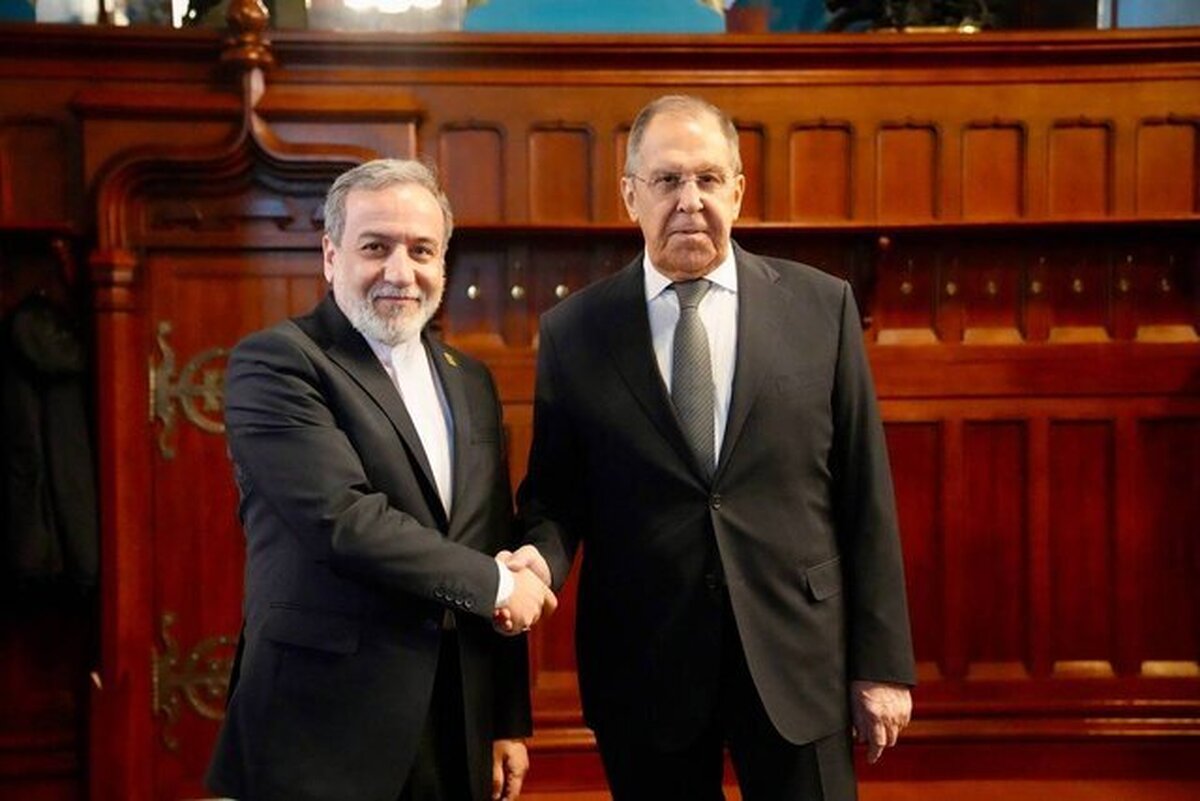
Sharp criticism of the West and global developments
Shifting the focus to international developments, Lavrov strongly criticized Western approaches to the Ukrainian issue and international law. He accused Western countries of attempting to weaponize international legal mechanisms for their own benefit, characterizing this practice as an expression of "neo-colonial policies."
"Western countries have become accustomed to living at the expense of others, a practice that evolved from classic colonialism into modern forms of economic dependence in regions of Africa and Asia," he stated. He strongly condemned unilateral and illegal sanctions, arguing that they systematically undermine international relations and the very foundations of globalization.
Closing, Sergey Lavrov noted that European powers are currently attempting to undermine the policies of the Trump administration regarding the crisis in Ukraine, a move that, as he said, shows contempt for established international principles and contributes to the fragmentation of global processes.
"Comprehensive and multidimensional relations"
The Foreign Minister of Iran, Seyyed Abbas Araghchi, thanked the Russian side for the invitation, describing the consultations between Tehran and Moscow as continuous, close, and uninterrupted at all levels. "Our relations are comprehensive and multidimensional, covering political, economic, cultural, defense, and security issues," noted Araghchi.
The head of Iranian diplomacy emphasized that the implementation of the bilateral treaty has given a new dynamic to the relations between the two countries. As he mentioned, the recent meeting of the presidents in Ashgabat allowed for a meaningful and comprehensive review of all aspects of bilateral cooperation, while current talks in Moscow aim to finalize executive details.
"Fortunately, we have similar positions on almost all international issues and firmly support each other," Araghchi stated. At the same time, he expressed Tehran's appreciation for Moscow's stance, condemning the military actions of the US and the Israeli regime against Iran, as well as for Russia's solidarity with the Iranian people.
www.bankingnews.gr


Σχόλια αναγνωστών