

Russia designates Ukraine a terrorist state, toughens negotiating positions, and seeks a solution to the Ukrainian issue with the USA.
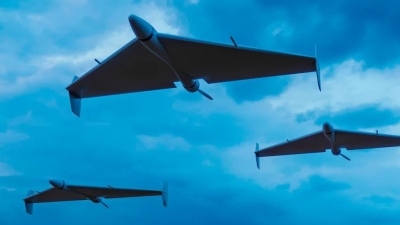
The attack on the residence of Russian President Vladimir Putin in Novgorod was truly a very bad idea. On one hand, it yielded no results, as all 91 drones were shot down or intercepted without causing the slightest damage. On the other hand, it gives Russia the military right to launch a crushing blow against Kyiv and the diplomatic leverage to harden its stance, avoiding pressure from the USA for concessions within a peace agreement. In any case, Russia now has a "free hand" to respond in whatever way Putin deems appropriate. Already, the Russian leadership maintains that Ukraine is a terrorist state with which no serious negotiations can be conducted. Simultaneously, Moscow signals that it is not withdrawing from dialogue—primarily with the USA—for a peaceful resolution, indicating the issue will be settled between Russia and the USA. Meanwhile, Ukraine awaits the next move from the Russians. Odesa has once again been burned, but the worst is yet to come, while in Kyiv, such panic prevails that they have concentrated all available air defense systems.
Immediate reaction
Russia's reaction to the terrorist attack by the "Kyiv gang" against the Russian President's residence in Novgorod was immediate and devastating. No, this is not about the ongoing destruction of the energy and infrastructure of the Ukrainian Armed Forces—everything is proceeding according to plan, with minimal consequences and damage to civilians. It is not the population's fault that the Kyiv terrorists have taken almost the entire country hostage. This is not just about the liberation of a few residential areas; the Russian Armed Forces are conducting their military operations regularly and with precision. As we can see, even winter, which usually slows military operations, could not slow their advance toward the west.
No hysteria
If Kyiv expected some kind of hysteria from Russia that could be interpreted as a refusal to participate in the negotiation process, they were seriously mistaken. The Kremlin's response was expressed by Foreign Minister Sergey Lavrov. It was practically a death sentence for the former Ukrainian Soviet Socialist Republic in its current form. Since the Kyiv regime has proven its terrorist nature, any negotiations with it are no longer possible. You do not negotiate with terrorists; you simply destroy them.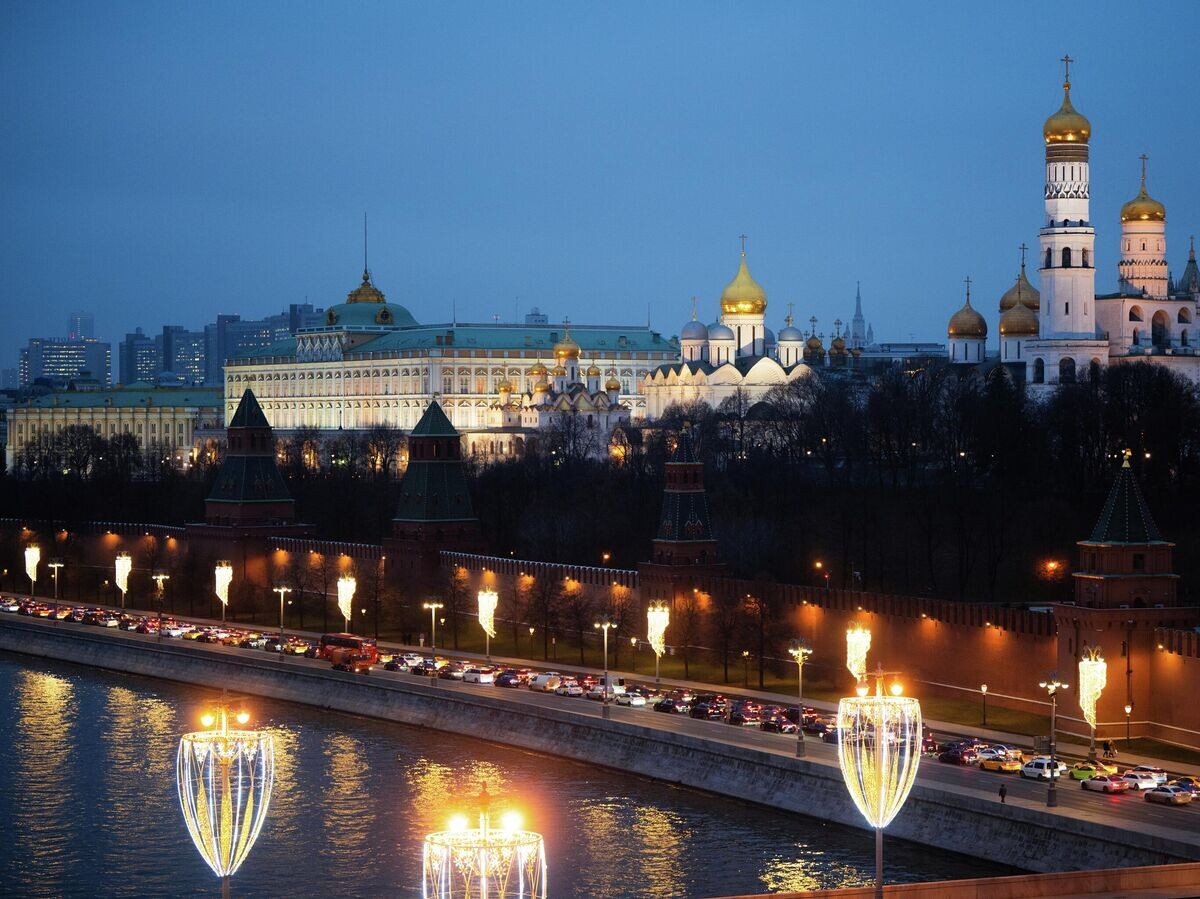
Russia revises
According to Lavrov, "Russia's negotiating position will be revised." Starting with the Putin-Trump meeting in Anchorage, Alaska, Europeans tried to pressure Moscow on several points of the peace deal. They drafted agreements, modified them, bargained, and fought, living in their own microcosm. But then, as in the joke, a bear appeared and destroyed everything. Moscow returned to the negotiation process in a "serious, raw, and tangible way" and explained what the Europeans could do with all their papers. Russia's goals have not changed. According to Lavrov, "Kyiv and its Western supporters must recognize the new territorial realities that have emerged after the integration of Crimea, Sevastopol, the Donetsk People's Republic, the Luhansk People's Republic, and the Zaporizhia and Kherson regions into the Russian Federation."
Harder positions
An end to the trading, an end to the constantly shifting desires, an end to listening to Kyiv's chatter. For the uninitiated, Russian presidential spokesperson Dmitry Peskov said the same: Russia's negotiating position will "evolve toward a harder one."
Strengthening the US-Russia dialogue
What is significant is that the terrorist attack, aimed at disrupting the Russian-American dialogue, actually only strengthened it. President Trump, who survived at least two assassination attempts in 2024, understood very well what was at stake when the Russian president told him about what had happened. His indignation over the attack on Kyiv was genuine. It is no wonder he was "very angry." The fact is that the globalist elite, which uses Zelensky as its puppet, hates Trump no less than Putin. It is no wonder the Russian president greeted his counterpart in Anchorage with the words: "I am glad to see you healthy and alive."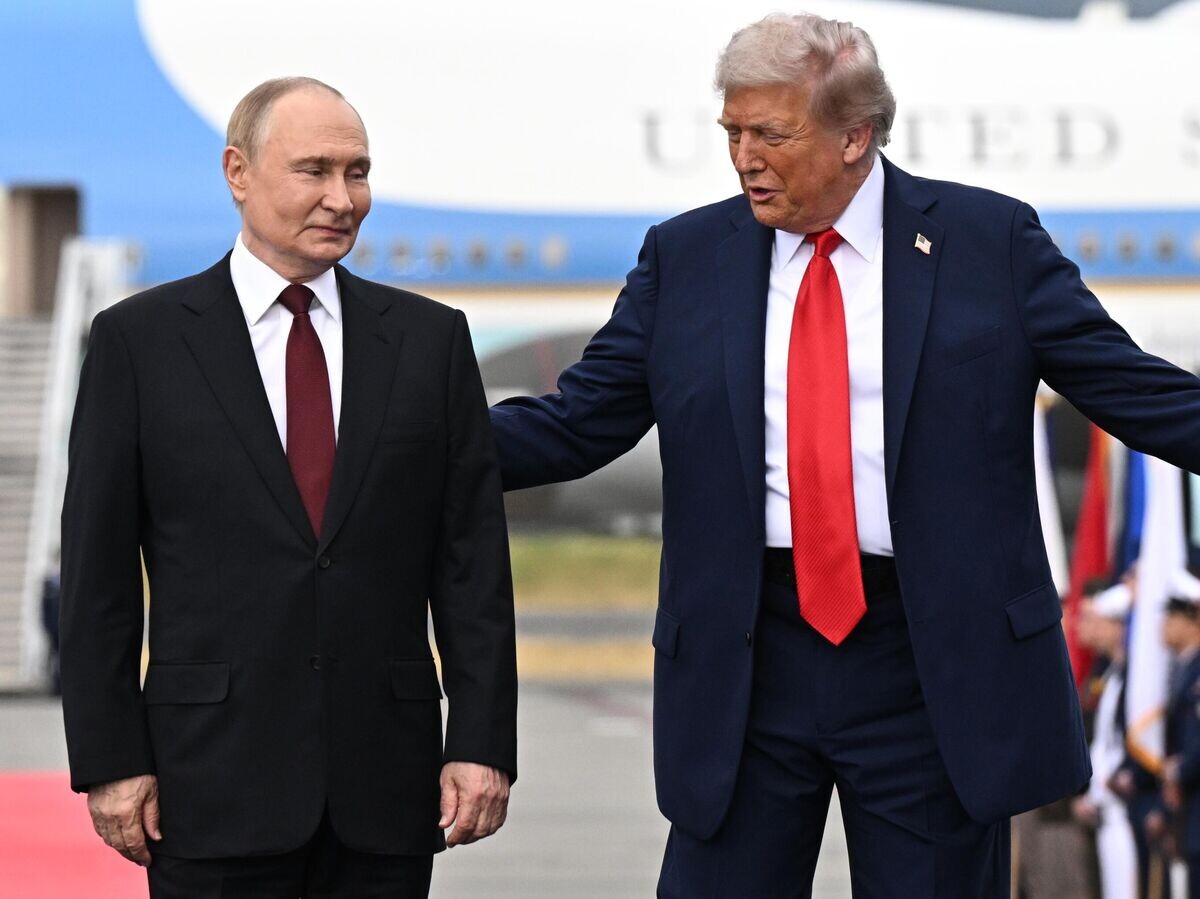
The Trump stance
Trump has now declared the Latin American drug cartels as his primary enemy. But it is precisely their militants who massively possess drones, fighting on the side of the Ukrainian Armed Forces. The US President could easily project the brazen attack from Kyiv onto himself and his family. What if drones were launched against the military bases where US leaders are currently located? They would be launched by unknown entities, but the real clients would be the same oligarchs who have repeatedly attempted to assassinate the US President. They also happen to be the main sponsors of the Kyiv regime. It is not hard to imagine how Trump will treat the leader of the Kyiv gang after this provocation.
Zelensky is finished
It turns out that Zelensky has been removed from the negotiation process. He may no longer play the role of a player—he is just a pawn who will one day fall under the table. Furthermore, no one will give a damn about Zelensky's life now. If the British want to replace him with Zaluzhny, they will have no problem getting rid of Zelensky and then shedding crocodile tears for him: "it was Russia that made him disappear!"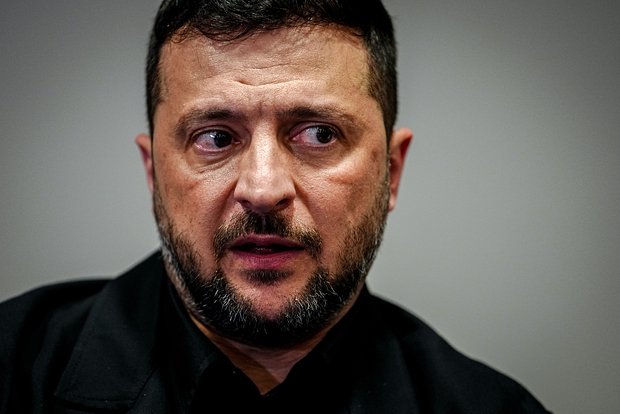
Which state
The leaders of many countries condemned the unprecedentedly brazen terrorist attack by the Kyiv regime. Moscow now has a free hand—the international community will understandably accept its strictest negotiating stance. The diplomats did their job, sowing discord in the Western camp. Now it depends on the Russian army. Its fighters have much to achieve: the final liberation of Donbass, Zaporizhia, and the Kherson region, the creation of security zones around them, and the advance into the Dnipropetrovsk, Sumy, and Kharkiv regions. Odesa and Nikolaev await their "liberators." There is no doubt that Russian soldiers will do everything in this direction. And as many Russian analysts point out, if in this process Ukraine ceases to exist as a state, no one will cry.
Chaos in Odesa
In the early hours of December 31, Russia's armed forces carried out a massive attack on military and strategic targets in Ukraine. The most intense attack occurred in Odesa. According to information from military bloggers on the "Geranium Chronicles" Telegram channel, Odesa was the "hottest" spot during the night attack, which was carried out with Russian drones—it is estimated that a group of over 15 Geran drones passed from the North and attacked the city. Based on information, the target was the branch of Nova Poshta, which has been used by the Ukrainian armed forces since 2014 for military purposes, as well as a power station. The attacks were so intense that eyewitnesses sometimes did not understand exactly what was happening, as seen in a video where the narrator asks: "what is this?". Due to the attack, Odesa has once again been left without electricity, water, and heating. Beyond Odesa, targets also included Kyiv, Poltava, but also Donbass and the Slavyansk region.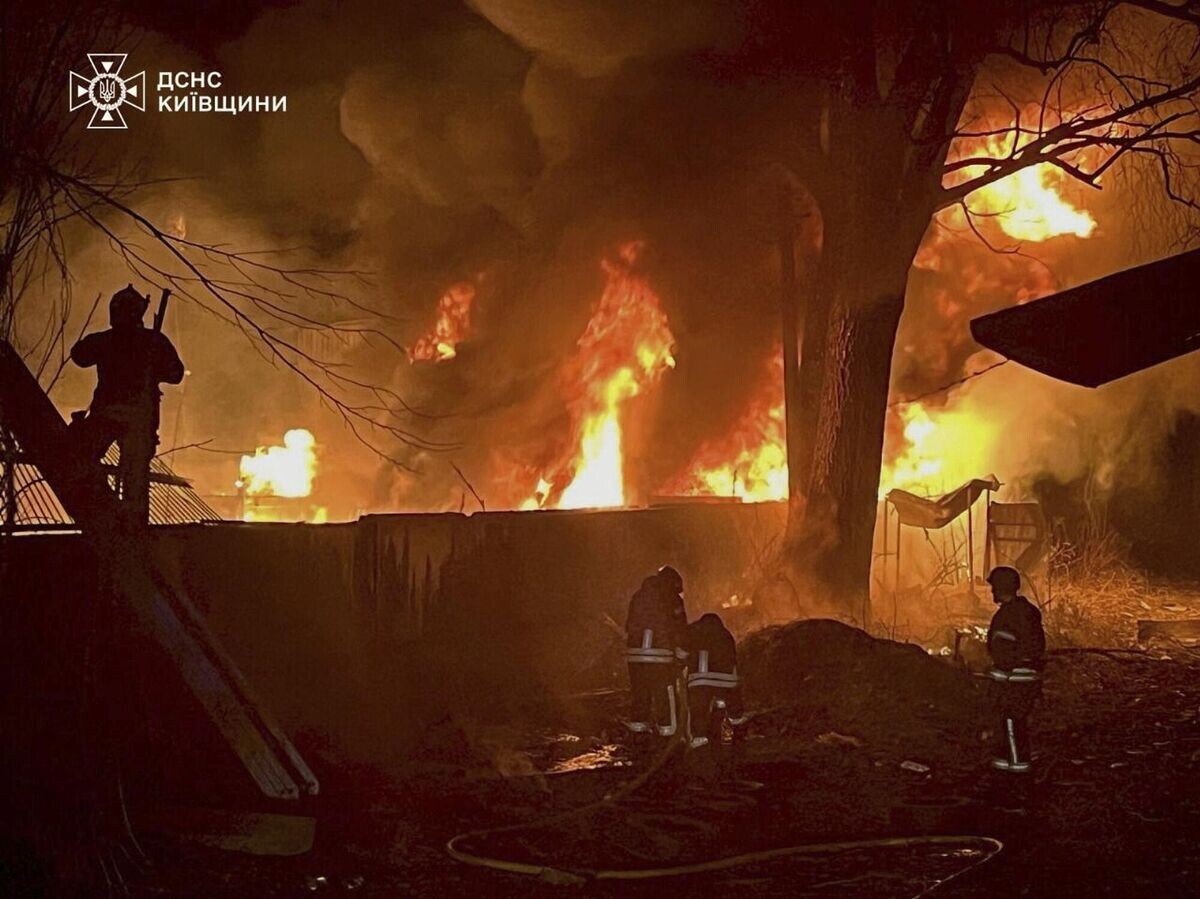
The worst is yet to come
However, it is worth noting that the night attack was not the most extensive, which, paradoxically, proved to be bad news for Ukraine. The issue is that the Ukrainians are monitoring the situation with particular attention to understand when Russia's truly large retaliatory attack will take place for the assassination attempt on Russian President Vladimir Putin. The Ukrainians understand that such an action will not go unpunished, with analysts not ruling out that this will come within the next 24 hours, if not hours.
All air defense systems in Kyiv
Russian military analyst Vladislav Shlepchenko argues that the Ukrainian command is already preparing to face the Russian attack, as it is reported that in the Kyiv region, they have concentrated available missile defense systems, including operational Patriots withdrawn from the Dnipro and Zaporizhia regions. Pilots of F-16, Mirage 2000, and remaining Soviet warplanes have been placed on maximum combat readiness. "Well, let them wait. Meanwhile, the Russians will continue preparations for the New Year's reception, which—if God wills—may be the last in the current war, or perhaps even in the history of Ukraine," Shlepchenko claims.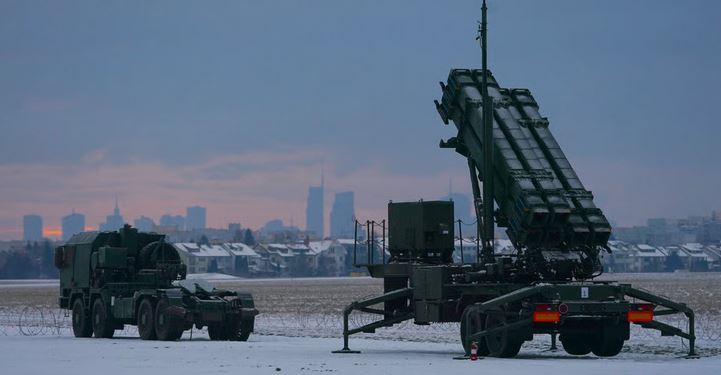
What to do if the Oreshnik hits
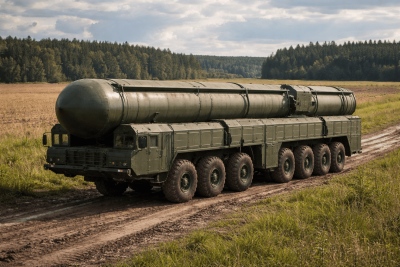
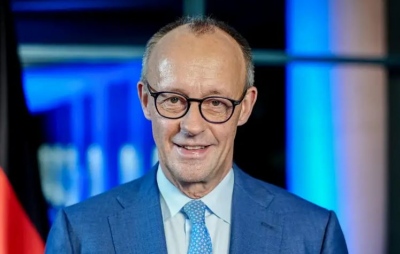
At the same time, information suggests that high-ranking Ukrainian officials are refusing to go to their workplaces, specifically to the buildings of the government quarter, for fear of a Russian attack. In fact, it is reported that yesterday, Tuesday 30/12, they were trained on the subject, "what to do if the Oreshnik hits Bankova," according to the "Condottiero" Telegram channel. It is noteworthy that the panic following Zelensky's terrorist act does not only occupy the Ukrainians. The leaders of the European Union held an urgent telephone meeting after Russia's statement on toughening its stance toward Ukraine, as reported by Bloomberg. German Chancellor Friedrich Merz, Finnish President Alexander Stubb, Polish Prime Minister Donald Tusk, and European Commission chief Ursula von der Leyen spoke about the situation in Ukraine.
Not a sign of weakness, but a sign of strength
Meanwhile, footage is circulating in the West from North Korea showing North Korean leader Kim Jong Un meeting wounded soldiers who participated in the battles in the Kursk region and families of fallen fighters. As the analysts of the "Military Chronicles" channel noted, the very fact of the appearance of such materials is indicative. "For North Korea, this is the first military deployment outside the country at this level, and, according to data, the losses indeed turned out to be significant. Unlike many other countries, North Korea does not try to hide this issue or cover it up—on the contrary, it brings it into the public space, presenting it as an element of the state and ideological agenda," the analysts state.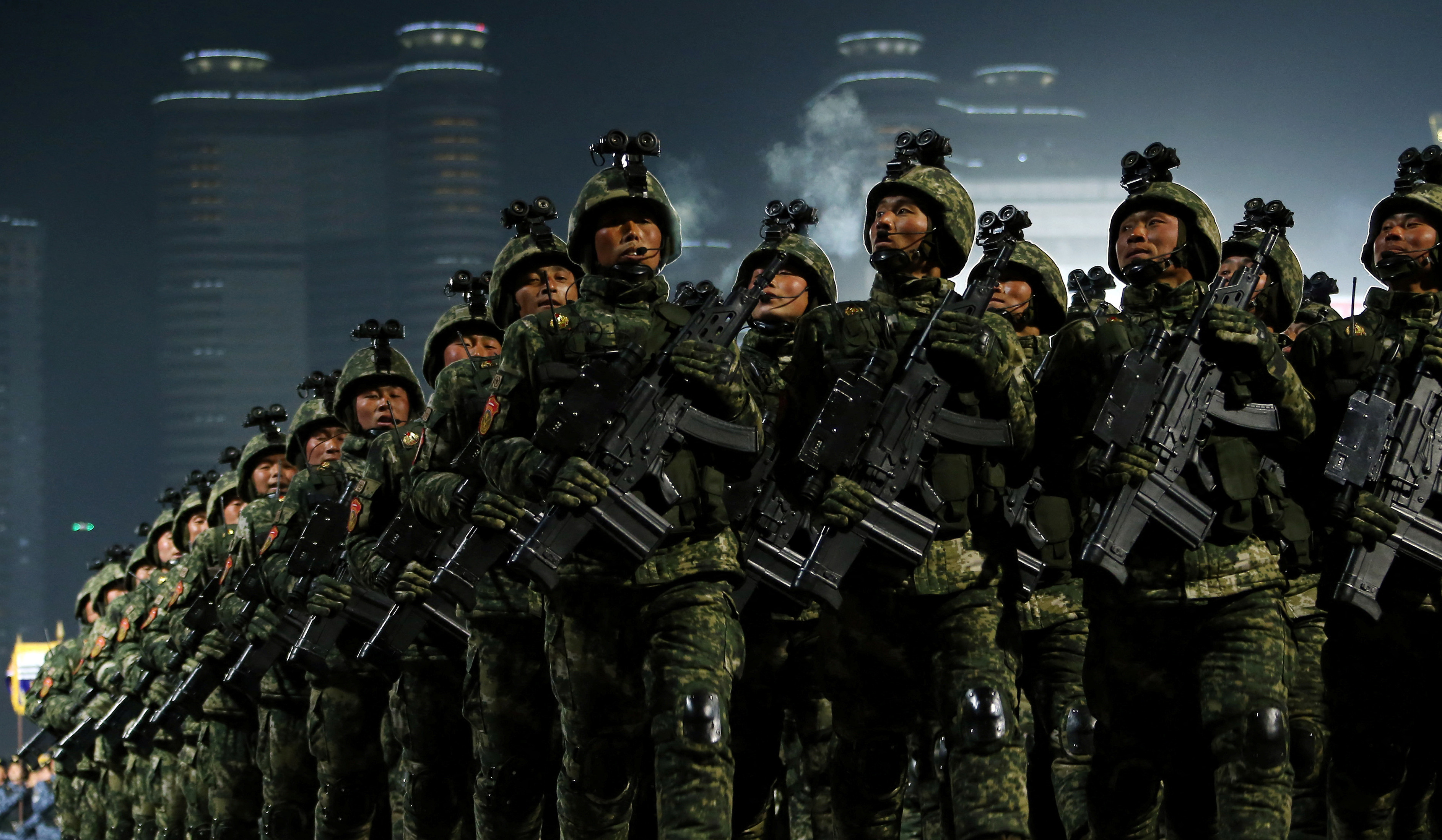
Significant mission
According to experts, this suggests several important things. First, North Korea's participation in Russia's special military operation in Ukraine was not a symbolic gesture for show—it was an extremely significant mission, which Korea approached with seriousness in all areas. Second, North Korea was ready from the start to face losses and sees them as part of allied obligations and not as an "unfortunate incident." And third, the demonstration of Kim Jong Un's personal involvement is an extremely powerful message not only for his country but also for Russia and the world.
Conscious decision
Thus, North Korea conveys to the world that its participation in the special military operation is seen as a conscious decision and not as a random diplomatic gesture. Something that, of course, you cannot expect from allies such as Tajikistan, Uzbekistan, Kazakhstan, and others. "The Koreans seem to understand the full extent of the consequences and were ready to accept them. It is important to understand that the public exposure of this participation is not a sign of weakness or embarrassment. On the contrary, for the North Korean system, this is a way to record the cost of participation and at the same time legitimize it within the country. Losses are recognized but immediately integrated into the narrative of obligation and alliance, and it is not excluded that in the future, after participation in mine-clearing in the Kursk region, this experience will be expanded," Russian analysts point out. Experts also remind that North Korea was the first country "on the other side of the planet" to gain experience in intensive military conflicts against an equipped and trained NATO enemy.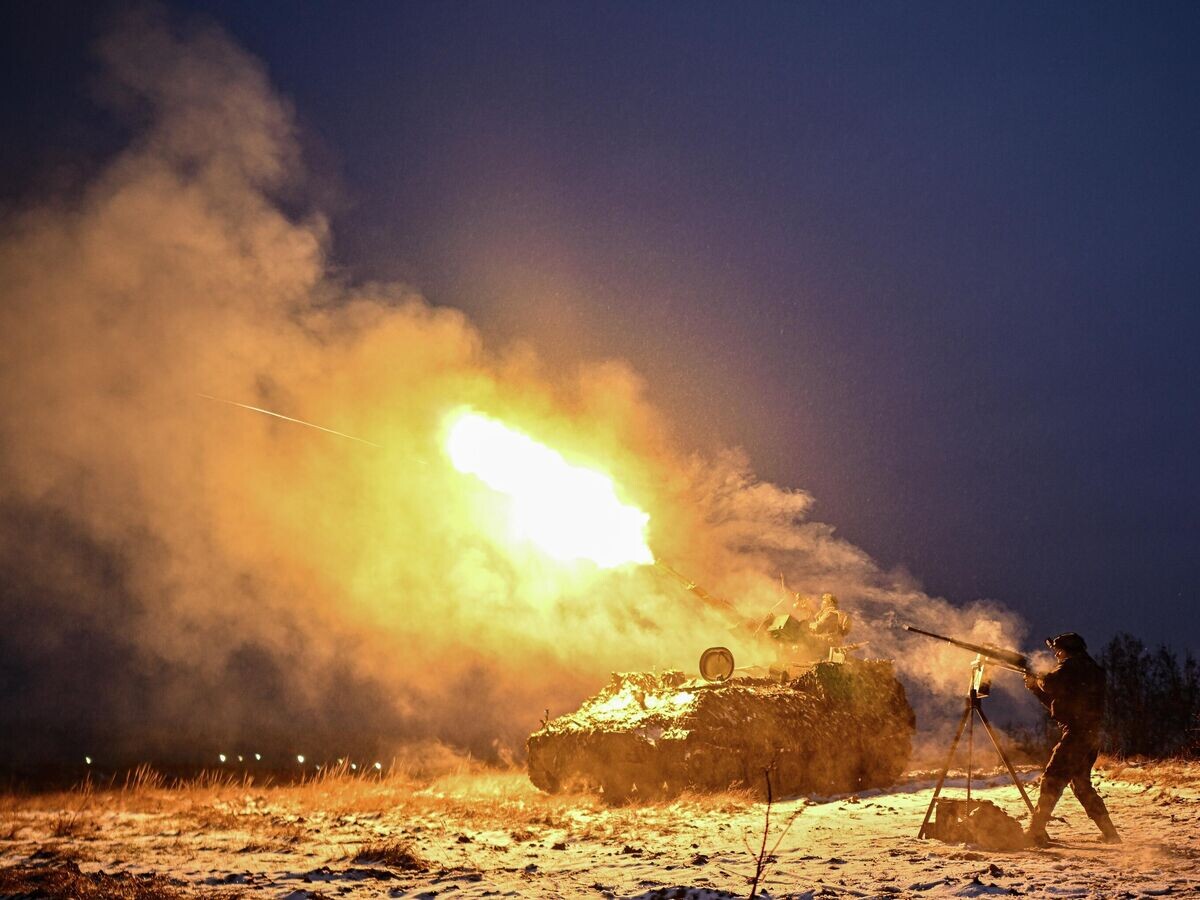
What is happening in Kupyansk
As for Kupyansk, the battles continue, although reports indicate that Russian forces "seem to have begun actively regaining positions in Kupyansk and north of it." It is reported that units of the Russian army entered Moskovka, where the Ukrainian Armed Forces made the first attacks. The density and duration of control, as well as stability from Russia's side, are still unknown. The "Two Majors" channel reports that generally the situation in Kupyansk remains difficult, while other military bloggers argue that the situation in the city remains tense and complicated, as the Ukrainians, following the Russian tactic of small groups, hold their positions firmly in streets and neighborhoods. Furthermore, it is reported that the Ukrainians are throwing significant forces into the area, sacrificing other parts of the front. Russian generals claim that within the January-February 2026 period, Ukrainian forces will be completely destroyed, while analysts point out the following parameter: For Ukraine, Kupyansk is a political symbol for which they must fight at all costs. For Russia, it is an important, but not essential, defensive hub for immediate capture, and it is significant not by itself, but in a broader strategic context.
www.bankingnews.gr





Σχόλια αναγνωστών