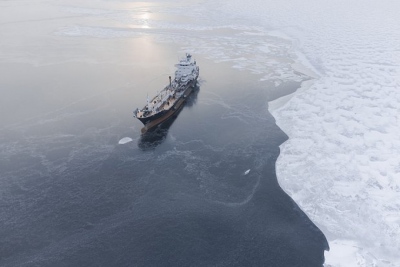
The temperature is steadily rising in the frozen Arctic, confirming that it has become a major theater of great power confrontation.
NATO countries have launched an extensive operation using unmanned aerial vehicles to detect and monitor Russian ships and submarines in the Arctic, according to a report by The New York Times.
This move, although highly symbolic in nature, marks the return of the Alliance to a region that Moscow considers a vital sphere of influence.
How the Arctic Guardian operation began
The operation, codenamed Arctic Guardian, appears to have an additional objective: European officials are seeking to prove to American President Donald Trump that Europe can actively contribute to the protection of American interests in the polar region, amid the tensions that have emerged over the status of Greenland.
The decision was taken at an emergency meeting in Brussels, according to the newspaper.
Behind the closed doors of an emergency meeting in Brussels, the leaders of the old continent found themselves facing an absolute geopolitical nightmare.
The obsession of the American leader with acquiring Greenland and his humiliating attacks against European politicians have caused an unprecedented rift in transatlantic relations, driving Europe into a desperate effort to detach itself from its once powerful ally.
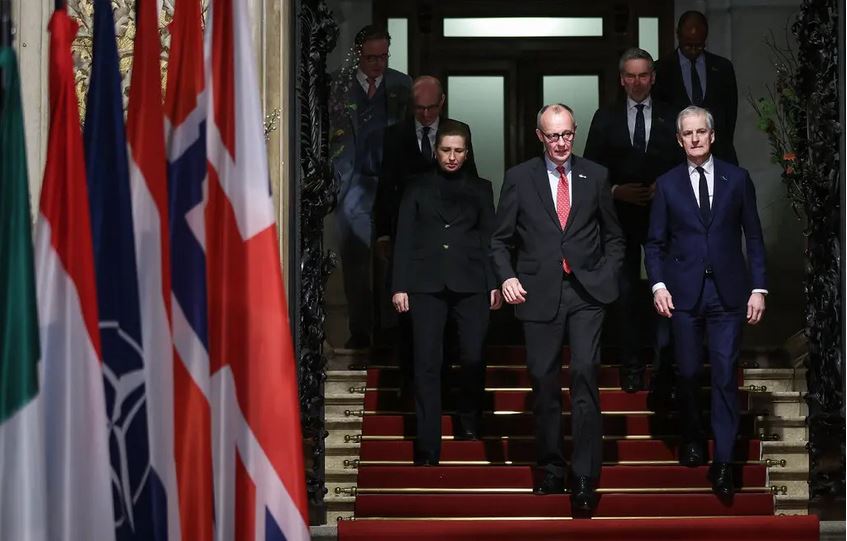
The consultations, which lasted until the early morning hours, revealed the creation of a survival handbook in the face of the unpredictable Trump administration.
German Chancellor Friedrich Merz pushed for an immediate reduction of economic dependence on the United States, while Emmanuel Macron declared that Europe must be ready to strike back in order to earn respect.
The plan includes the threat of retaliatory tariffs and covert work to reduce military and technological dependence on Washington.
However, Europe remains trapped: its banking system is fragmented and decision making is painfully slow, leaving the continent at the mercy of the moods of third parties, as Belgian Prime Minister Bart De Wever characteristically stated.
A shield in the frozen North
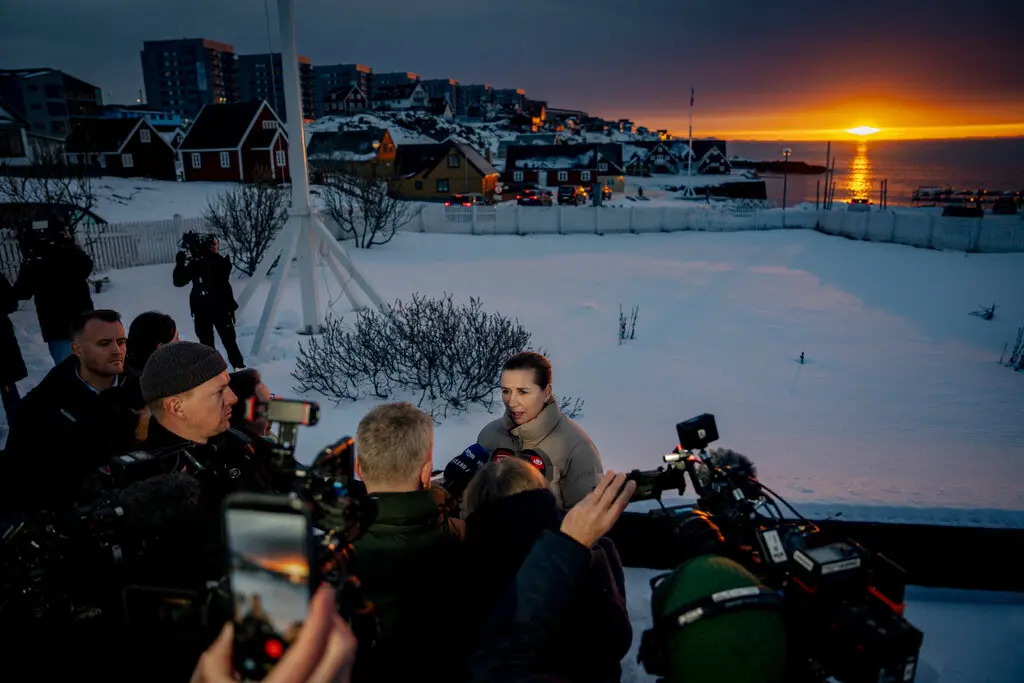
In an effort to placate Trump in the short term, European officials accelerated the launch of the Arctic Guardian operation.
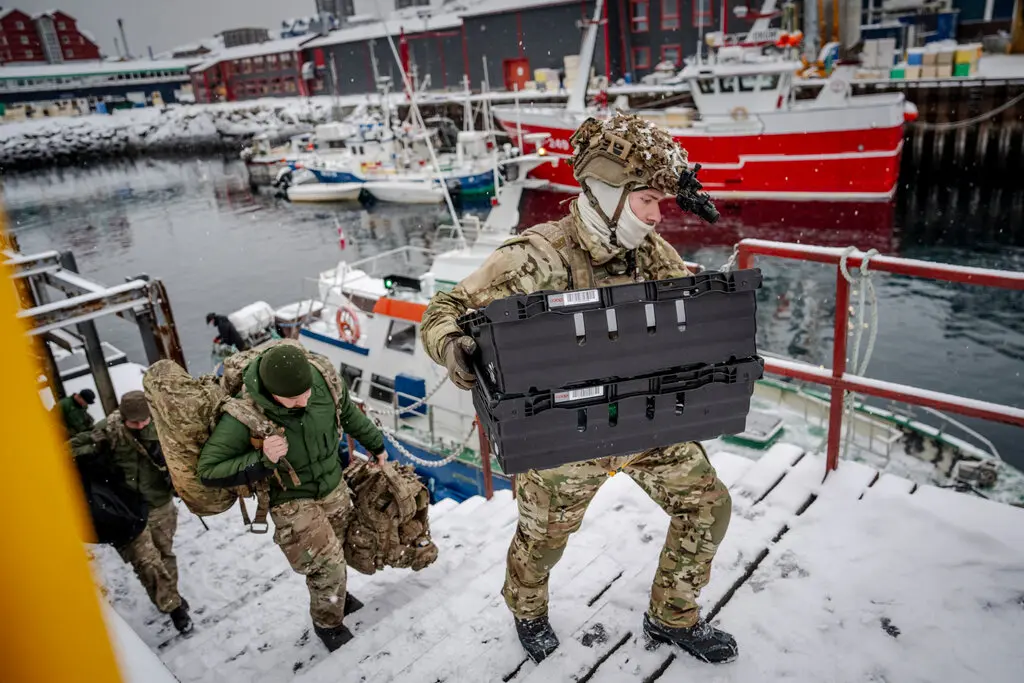
Under the leadership of NATO, this mission aims to protect the Arctic from Russia and China, making extensive use of drones to detect Russian submarines.
The goal is to demonstrate to the White House that Europe can protect American interests in the region without requiring the transfer of sovereignty over Greenland.
At the same time, countries such as Italy are adapting their alpine brigades for polar operations, while Denmark and Germany are setting a target of full military autonomy by 2029-2030.
Despite efforts at unity, Europe remains divided.
Countries such as Poland and the Baltic republics view Ukraine as the absolute priority and fear confronting Trump over Greenland, as they need American assistance to contain Russia.
The strategy of patience remains the only way out, while Denmark is still waiting for a serious American proposal that would offer carrots instead of the stick of tariffs.
Europe appears to be walking a tightrope, trying to build its own power before the transatlantic alliance collapses definitively under the weight of blackmail.
The explicit NATO directive
In a move that sharply escalates tensions with Moscow, the NATO Strategic Communications Centre of Excellence called on the countries of Northern Europe and the Baltic to immediately begin planning coordinated offensive information actions in the event of conflict.
According to a report obtained by the TASS agency, the Alliance makes it clear that the response toward Russia must be far more than coordinated tweets from capitals.
The countries receiving the directive are Denmark, Estonia, Finland, Iceland, Latvia, Lithuania, Norway and Sweden.
NATO demands that these states develop capabilities for penetration into hostile information environments, preparing the ground for a sudden escalation from the Russian side.
Digital battles and joint exercises
The Alliance advised the Scandinavian and Baltic states to jointly develop their capabilities in the field of information warfare, assigning specific responsibilities to each country and conducting regular joint exercises.
This strategy is part of the broader plans and procedures of NATO, which in recent years has intensified its confrontation with Russia, characterizing Moscow as the most significant and immediate threat.
Moscow’s response
For his part, Russian leader Vladimir Putin has repeatedly denounced that European politicians are raising the level of hysteria and sowing fear among their citizens regarding the inevitability of a conflict with Russia.
Putin described claims of an impending Russian attack on Europe as lies and nonsense, accusing NATO of using this rhetoric to justify further militarization of borders and the deployment of offensive information systems.
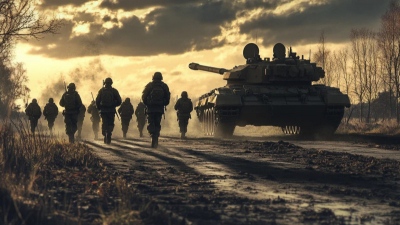
Despite Moscow’s denials, the military command of the bloc insists on the possibility of conflict, pushing member states into a constant state of war readiness, not only on the battlefield, but also in the digital information space.
www.bankingnews.gr







Σχόλια αναγνωστών