

A fresh scene of diplomatic rupture is unfolding in the heart of Europe, with Greece placing a veto on European Commission plans to further restrict the entry of Russian citizens into the Schengen area, as reported by Russian media outlet News.ru on September 4.
Specifically, several EU member states, including Spain, Greece, and Italy, oppose tightening entry conditions for Russians, reports the TASS news agency, citing a source close to Brussels.
According to the source, multiple European countries do not support the blueprint proposed by Josep Borrell and Ursula von der Leyen, which envisions treating entry into the EU as a sort of... privilege for Russian citizens.
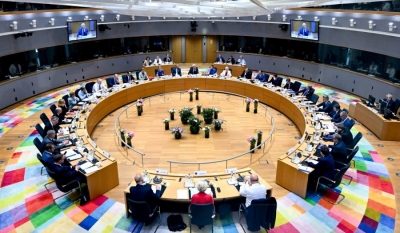
At the same time, EU countries remain divided over the further tightening of visa policy for Russians.
«This Brussels plan cannot be fully implemented due to countries that derive significant revenue from the tourism sector, such as Spain, Greece, and Italy», the source clarified.
According to the same source, these countries have incurred notable economic losses following the severance of ties with Russia and are now compelled to rely on financial support from the EU budget.
«We will not allow our tourism sector to be devastated...»
Countries with developed tourism sectors, the source noted, do not wish to see this scenario expand further into their domestic economies.
Concurrently, the source explained that the European Commission holds authority solely to provide legal advice to EU member states regarding visa policy, whereas decision-making in this domain remains within national competence.
Substantive adjustments to Schengen visa issuance practices for nationals of a specific country, as noted, require a unanimous decision among EU member states.

It is highlighted that on the other side of the Atlantic, US House of Representatives Speaker Mike Johnson expressed doubts that lawmakers will have time to review legislation tightening sanctions on Russia prior to November.
According to the politician, the likelihood of putting the measure to a vote ahead of the congressional midterm elections on November 3 is exceptionally low.
Greek intervention yields «softer» sanctions package against Russia
It is recalled that in the summer of 2026, European sanctions toward Russia softened for the first time since the outbreak of the war in Ukraine, amid a rift within the EU, as Greece and Italy pushed back firmly against the Brussels draft banning the entry of Russian military personnel into the Schengen area, as reported by Euractiv on July 10.

Consequently, the Commission abandoned the harshest clauses of the planned 21st sanctions package, European media outlets point out, citing diplomatic sources in Brussels.
In Ukraine, these developments are received amid a manifest climate of panic, with Defense Minister of the Zelensky regime Andriy Sybiha openly expressing his «dissatisfaction» toward the European Commission, describing the package as «watered down».
For the first time since 2022... a «milder» sanctions package
The European Union was preparing to approve the 21st round of sanctions against Russia, but the restrictions turned out far milder than anticipated for the first time since 2022, reports Euractiv.
Severe disagreements surfaced among member states regarding visa issuance bans for Russian military personnel, restrictions on LNG exports, and the price cap on Russian oil.
Extensive reporting across Russian and international media analyzed the rift that emerged over the sanctions the EU might adopt and why obstacles surround their passage.

The European Commission abandoned the harshest provisions of the planned 21st sanctions package, reports Euractiv, citing diplomatic sources.
According to the report, EU envoys were scheduled to agree on the new package on Friday July 10, so foreign ministers could examine it during a meeting on Monday July 13.
Rift in the EU: Greece and Italy vetoed ban on Russian movement inside Schengen
However, disagreements arose among EU states over multiple points, particularly concerning the entry ban for Russian military personnel into the EU.
Initially, Estonia and Lithuania proposed a complete ban on visa issuance for active and former Russian military personnel.
Nevertheless, according to Euractiv, France, Italy, and Greece opposed this wording.
Representatives of other nations requested a more precise definition of the categories of individuals subject to restrictions, citing concerns that a blanket entry ban could prove technically unfeasible.

The report claims that an outright ban is no longer under discussion.
The measure was narrowed to short-stay visas, and the core criterion shifted to «active participation in hostilities or provision of assistance to military operations».
According to the publication, the number of visas issued to Russian citizens by Schengen Area nations increased by 10.2% in 2025 compared to the previous year.
France, Italy, and Spain issued the highest volume of visas to Russians.
Disagreements also persist regarding restrictions on the Russian energy sector.
Disagreements persist over Russian oil measures
According to Euractiv, the European Commission proposed maintaining the price cap on Russian oil, which currently stands at 44 dollars per barrel.
Under current EU rules, this metric is automatically adjusted every six months and must remain roughly 15% below the average market price.
The next adjustment was scheduled for July 15, reports Euronews.
If the oil price cap were revised now, at a time when energy costs are elevated, the new cap could rise to around 58 dollars per barrel.

In that scenario, over the subsequent six months (until the following revision), when oil prices decline, European firms would once again be able to transport and insure Russian fuel without the risk of violating the sanctions regime.
The restriction would essentially no longer curtail Russian oil exports.
This is why the European Commission proposed not revising the cap until January of next year and maintaining it at the current level of 44 dollars per barrel.
However, Greece, as well as Cyprus and Malta (countries whose economies rely heavily on maritime transport), opposed the postponement and demanded that the freeze be reduced to three months instead of six.
Maximos Mansion requests exemption for transport of Russian LNG outside the EU
Greece also demanded other concessions that would enable it to supply Russian liquefied natural gas to non-EU countries.
If accepted, Greece's request would effectively dismantle the European Commission's prohibition on the re-export of LNG to third nations, which is scheduled to take effect in January.
At the same time, as Euractiv writes, consensus remains among EU countries on another European Commission proposal: prohibiting the sale of LNG tankers to Russia.

According to Euractiv, member states are also discussing potential exemptions to import curbs on Russian fish.
The publication notes that Germany seeks to retain the ability to purchase haddock, Poland cod, and Portugal bacalhau.
Furthermore, as Euractiv reports, Bulgaria opposes the inclusion of Patriarch Kirill of Moscow and All Russia in the sanctions list.
www.bankingnews.gr


Σχόλια αναγνωστών